
Author Website Essentials: What Every Author Site Needs in 2026
Your author website is the one place online you actually control. Here is what it needs — and what it can skip — to turn casual readers into subscribers and buyers.
Your author website is the one place online you actually control. Here is what it needs — and what it can skip — to turn casual readers into subscribers and buyers.

A pen name is a business decision as much as a creative one. Here is how to pick one that fits your genre, survives a search, and does not cause legal or practical problems later.

Traditional publishing offers prestige and bookstore reach; self-publishing offers speed, control, and 70 percent royalties. This honest 2026 comparison helps you choose the path that fits your book, your budget, and your timeline.

A literary magazine submission needs a short cover note, a story formatted to the magazine's guidelines, and a realistic target list, not a mass email to fifty editors. Reading recent issues matters more than any cover-letter trick, because fit is what editors judge first.

Part crime novel, part logic puzzle, part sudoku — Murdoku has sold 160,000 copies in Italy alone and spawned a new publishing genre that turns reading into a collective game.

Lawhon's novel about the legendary Irish pirate Grace O'Malley takes the retailer's top honor, with booksellers praising it as a favorite across company book clubs.

How to write a query letter that gets read: the four-part structure agents expect, how to write a pitch paragraph with real stakes, and the mistakes that trigger instant rejection.

Self-publishing vs traditional publishing costs, compared honestly: what traditional costs in time and control, what self-publishing costs in dollars ($3,000–$7,000 for a pro novel), and which path fits which author.

A final self-edit removes avoidable rejection reasons: weak openings, typos, formatting errors, and mismatched markets. This pass guide covers story, line, proof, and submission checks.

A practical guide to pitch literary magazine personal essay: what works, what to avoid, and a step-by-step approach you can use this week.

A literary magazine rejection stings, but it is also information. Learn how to read the response, revise wisely, and send the work out again with a stronger plan.

An author bio must do different jobs in a query letter and on a back cover. Learn how to write both versions from the same honest facts, without padding or invention.
A query letter is a 300-word sales pitch: premise, stakes, and credentials, nothing more. Here is how to write one agents actually answer.
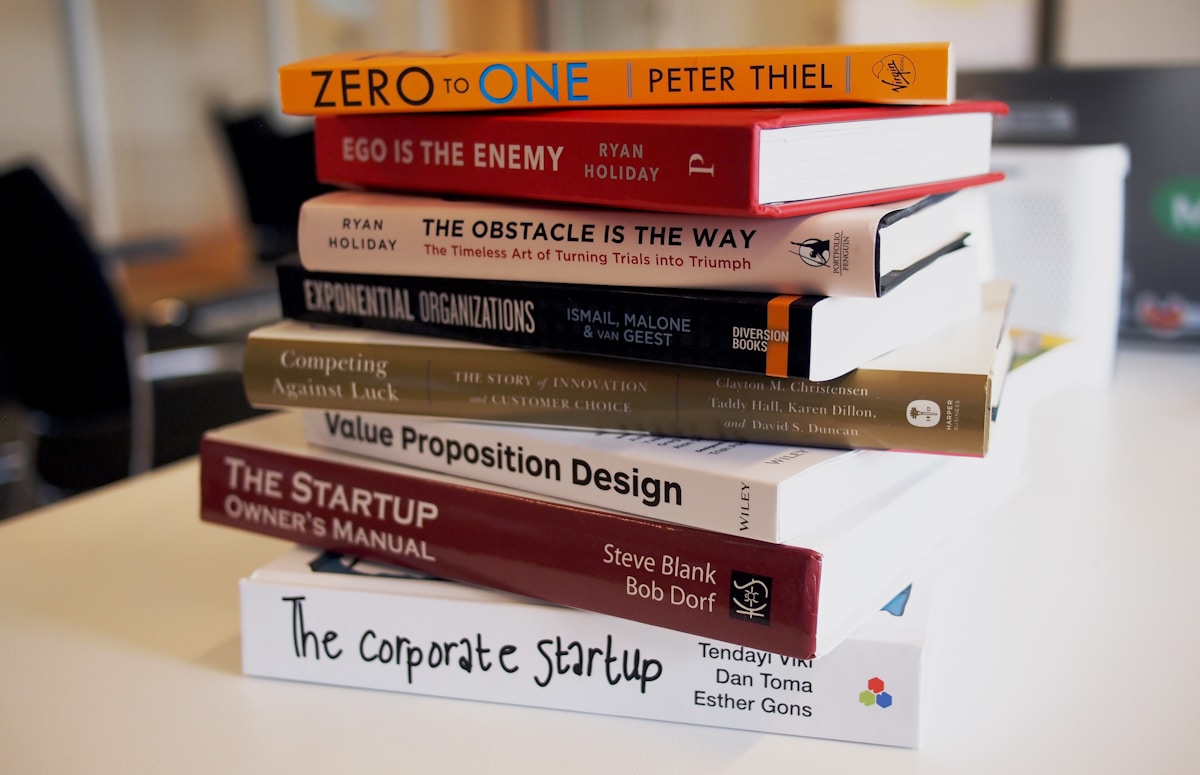
Self-publishing gives you control and speed; traditional publishing gives you distribution and a team. The right choice depends on your goals.
A query letter is one page, 250 to 350 words, and its only job is to make an agent read your pages. This guide gives you the structure, a template mindset, and the mistakes that earn an instant no.

Amazon KDP is free to use and puts your book in front of millions of readers, but royalties, categories and cover quality decide whether it earns. A step-by-step guide to publishing right the first time.
Reviews sell books, but most readers never leave one. Here is how to build a review list before launch, find reviewers in your genre, ask without annoying anyone, and handle the bad reviews.
A query letter is a one-page pitch judged in seconds. Learn the four parts every strong query needs, the mistakes that get instant rejections, and how to test your letter in small batches.

Querying the wrong agents wastes months. Before you send a single letter, research who actually represents your kind of book, what they sold recently, and how they like to be approached.

Co-authoring can double your speed or double your arguments. Here is how to split the work fairly, blend two voices into one book, and agree the money before the first chapter.

Agents and editors judge your manuscript's formatting before they read a word of it. Here is standard manuscript format, step by step, so your submission looks professional from page one.