
How to Join a Poetry Open Mic Night as a Beginner
A step-by-step beginner's guide to finding, preparing for, and surviving your first poetry open mic — from choosing the right night to reading your poems aloud.
A step-by-step beginner's guide to finding, preparing for, and surviving your first poetry open mic — from choosing the right night to reading your poems aloud.

A practical guide to the flash fiction form: starting from a single image, entering late, ending with resonance, and revising by compression.

Flash fiction is not a shortened long story. It is a different form built on one character, one problem, and one moment. This guide covers structure, titles, endings, and the editing process that makes a 500-word story work.

Show vs tell, explained with side-by-side examples: when to show emotion through action and detail, when telling is the better choice, and a simple exercise to convert telling into showing.
How to build a daily writing habit in just 20 minutes: pick a fixed slot, lower the bar to time instead of word count, remove starting friction, and use the never-miss-twice rule.
Poetry revision techniques that actually sharpen a poem: read aloud, cut 20% of the words, replace abstractions with concrete images, test the form, and know when to stop.

Show, don't tell works when you replace abstract labels with concrete behaviour, dialogue, and sensory detail, but telling still has its place. These before-and-after examples show when to use each.
Short stories leave no room for slack, so edit in passes: structure, character, prose, then details. This checklist helps you catch what a single read-through misses.
A practical guide to editing first draft ruthlessly checklist: what works, what to avoid, and a step-by-step approach you can use this week.

A practical guide to writing daily habit busy schedule authors: what works, what to avoid, and a step-by-step approach you can use this week.

Daily writing beats occasional bursts of inspiration. Learn how to start tiny, attach writing to an existing routine, and keep the streak alive without guilt.

Show, don't tell is the most repeated — and most misunderstood — writing advice. Clear examples reveal what it really means, and when telling is actually the better choice.

A short story opening must earn the second paragraph — fast. Five proven opening moves, the traps to avoid, and a simple three-question test for your first lines.
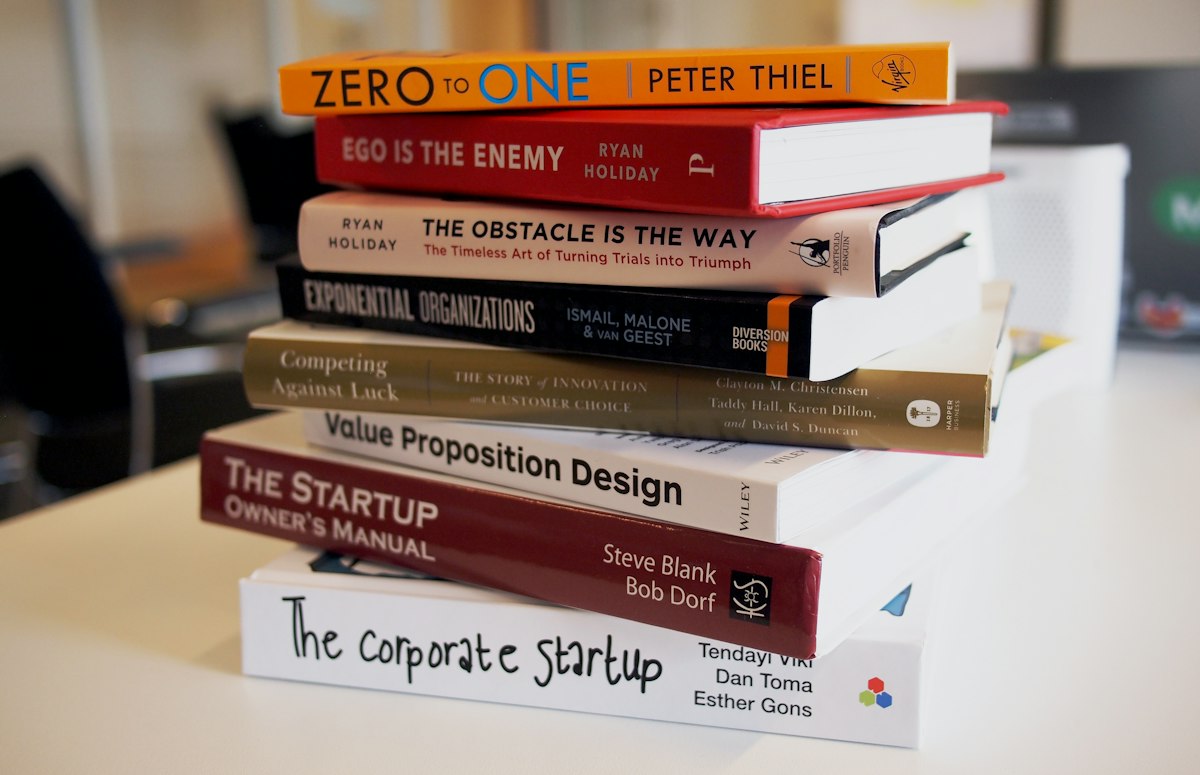
Wanting to read more is not enough — you need a system. Build reading into dead time, protect one daily anchor slot, and stop finishing books you hate.
Editing feels like destroying your draft — but it is actually how a draft becomes a story. A three-pass system, a saved original, and a scraps file let you revise boldly without fear.

You know your character's whole life — but readers only need the parts that explain their present choices. Learn the one-question test for every backstory detail.

Poems are not exams with one correct answer. A simple four-step method — read aloud, notice images, feel the tone, find the turn — opens any poem to a beginner.
The best next book is the one that matches your mood, not the one you feel you should read. A simple mood map and a five-minute first-page test make choosing easy.

Creative nonfiction tells true stories with the craft of fiction. Learn what the genre covers, how to start from your own material, and the honesty rules that set it apart.

A commonplace book — a curated collection of quotations, observations, and ideas — was the writer's notebook for centuries. Learn how to start one and use it in your own work.
Showing means giving readers evidence they can interpret, like a shaking hand or an unanswered message, instead of labelling the emotion for them. Telling still has a place for transitions and summary, so the skill is choosing where a scene earns its space.
Real-sounding dialogue is not a transcript: it cuts greetings, interruptions, and filler, while keeping the rhythms, evasions, and subtext of how people actually avoid saying things directly. Read dialogue aloud, because the ear catches stiffness the eye forgives.
Showing means giving readers evidence they can feel — actions, dialogue, and sensory detail — instead of labelling emotions for them, and simple rewrites make the difference clear.
Writer's block is usually fear, fatigue, or a story problem in disguise, and each cause has a different practical fix — from freewriting to fixing the scene that is actually stuck.