Memoir Openings: Hooks That Pull Readers In From the First Page
A practical guide to memoir opening hooks readers: what works, what to avoid, and a step-by-step approach you can use this week.
307 stories published in 2026
A practical guide to memoir opening hooks readers: what works, what to avoid, and a step-by-step approach you can use this week.
A practical guide to show don't tell nonfiction examples: what works, what to avoid, and a step-by-step approach you can use this week.
A practical guide to writing about real people ethically: what works, what to avoid, and a step-by-step approach you can use this week.
A practical guide to personal essay structure beginning middle end: what works, what to avoid, and a step-by-step approach you can use this week.
A practical guide to research for memoir interviews documents: what works, what to avoid, and a step-by-step approach you can use this week.
A practical guide to finding your voice creative nonfiction: what works, what to avoid, and a step-by-step approach you can use this week.
A practical guide to editing first draft ruthlessly checklist: what works, what to avoid, and a step-by-step approach you can use this week.
A practical guide to writing daily habit busy schedule authors: what works, what to avoid, and a step-by-step approach you can use this week.
A practical guide to pitch literary magazine personal essay: what works, what to avoid, and a step-by-step approach you can use this week.

Binance co-CEO Yi He says user funds are safe and all losses will be covered from company funds and SAFU, while deposits and withdrawals were suspended as a precaution.
Daily writing beats occasional bursts of inspiration. Learn how to start tiny, attach writing to an existing routine, and keep the streak alive without guilt.

Show, don't tell is the most repeated — and most misunderstood — writing advice. Clear examples reveal what it really means, and when telling is actually the better choice.

A short story opening must earn the second paragraph — fast. Five proven opening moves, the traps to avoid, and a simple three-question test for your first lines.
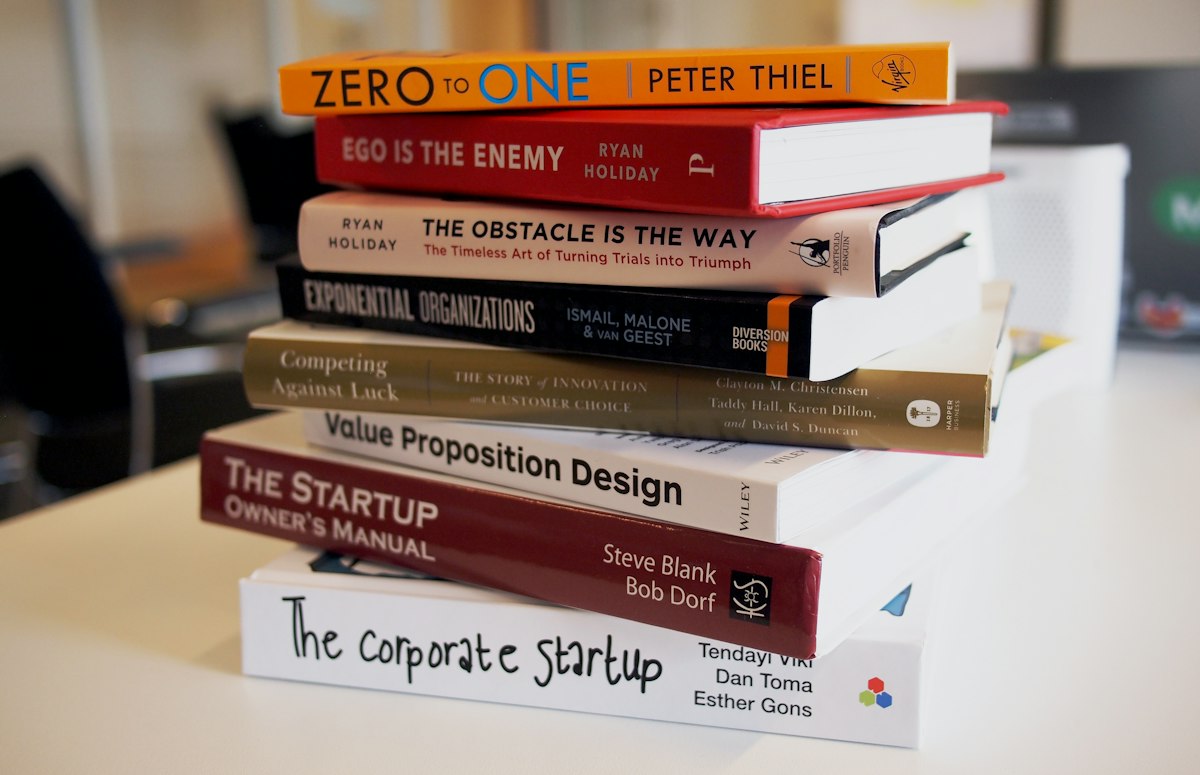
Wanting to read more is not enough — you need a system. Build reading into dead time, protect one daily anchor slot, and stop finishing books you hate.
Editing feels like destroying your draft — but it is actually how a draft becomes a story. A three-pass system, a saved original, and a scraps file let you revise boldly without fear.

You know your character's whole life — but readers only need the parts that explain their present choices. Learn the one-question test for every backstory detail.

Poems are not exams with one correct answer. A simple four-step method — read aloud, notice images, feel the tone, find the turn — opens any poem to a beginner.
The best next book is the one that matches your mood, not the one you feel you should read. A simple mood map and a five-minute first-page test make choosing easy.
Creative nonfiction tells true stories with the craft of fiction. Learn what the genre covers, how to start from your own material, and the honesty rules that set it apart.
A commonplace book — a curated collection of quotations, observations, and ideas — was the writer's notebook for centuries. Learn how to start one and use it in your own work.
Creative nonfiction turns real experience into a story with scenes, reflection, and structure, while respecting the people involved. The craft question is not what happened, but what the scene means and what can be left out without lying about the shape of it.
Showing means giving readers evidence they can interpret, like a shaking hand or an unanswered message, instead of labelling the emotion for them. Telling still has a place for transitions and summary, so the skill is choosing where a scene earns its space.
A 30-day short story plan works by separating drafting from editing: a messy first week for the idea, two weeks of scene-by-scene drafting, and a final week for a single read-through. Perfectionism during drafting is the main reason stories stall at page three.
Real-sounding dialogue is not a transcript: it cuts greetings, interruptions, and filler, while keeping the rhythms, evasions, and subtext of how people actually avoid saying things directly. Read dialogue aloud, because the ear catches stiffness the eye forgives.