How to Write a Western Novel: Setting, Characters, and Stories That Feel True
- Primary Signal: How to Write a Western Novel: Setting, Characters, and Stories That Feel True
- Overview: Western novels live or die on place and character. Learn how to build an authentic frontier setting, write characters shaped by hard country, and plot a story that earns its ending...
- Verification: Analyzed and compiled by SkyFree Chronicles editorial monitoring desk.
The Western is one of the oldest genres in American fiction, and it is still selling because its core promise never changes: a person tested by open country, hard choices, and a code they have to live by. Writing a good Western does not mean copying old movies. It means understanding what makes the frontier work as a setting and then building characters who belong in it.
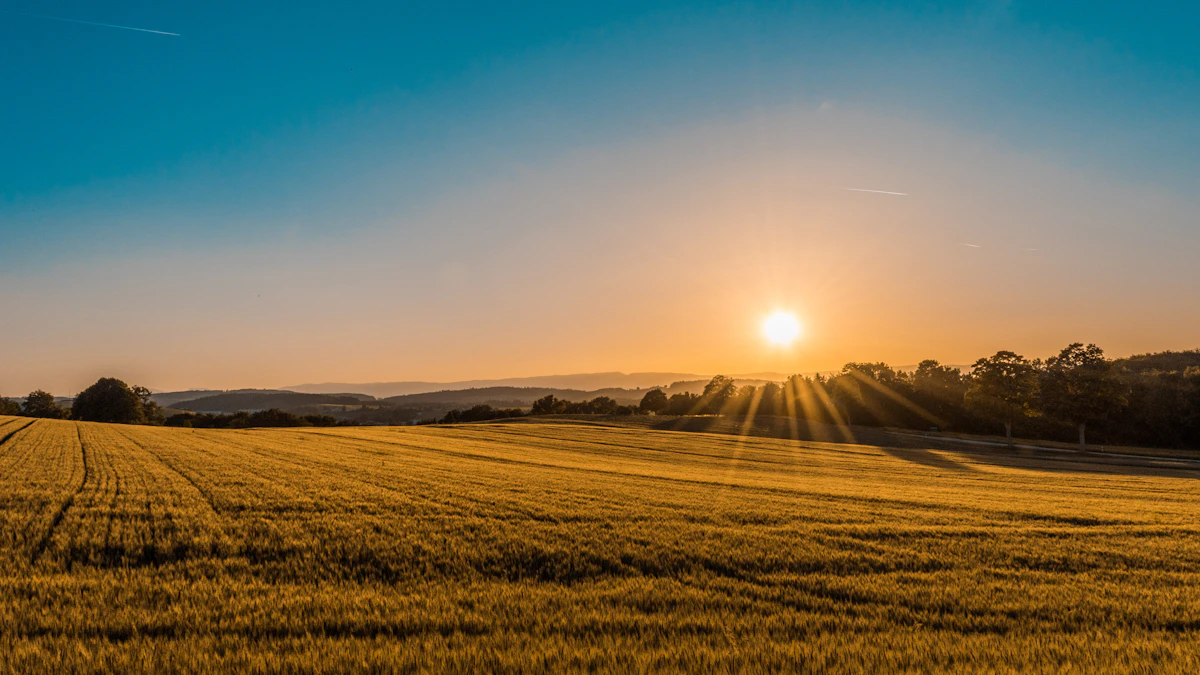
A Western begins with place. Before you write a single scene of dialogue, know your terrain: the distance between towns, where the water is, what the ground does to a horse after ten miles. Readers forgive a lot, but they notice when a hero rides three days across desert without mentioning water once. Pick one specific landscape — high desert, cattle country, a mining town in the mountains — and learn it until you can describe it without reaching for cliches.
Use the land as pressure on your characters. Drought forces choices. A river in flood closes a road. Winter arrives early and a town that seemed safe becomes a trap. When the setting creates the problem, the plot stops feeling invented and starts feeling inevitable, which is exactly what Western readers want.
Western heroes and villains work best when the country has already shaped them before the story opens. A ranch hand who has spent ten years alone with cattle will not talk like a lawyer. A schoolteacher who arrived from the East will carry different manners, different fears, and different blind spots. Let their pasts show in small details: how they saddle a horse, what they do when a stranger rides in, what they refuse to say.
Give your protagonist a code, and then test it. The classic Western engine is a person with a rule — never draw first, always pay a debt, protect the weak — who meets a situation where following the rule costs them something real. If the code never costs anything, it is decoration. If it costs everything, the ending earns its weight.
A shootout can end a Western, but it should not be the whole story. The strongest Western plots are built around a decision the hero cannot avoid: stay or leave, protect one person or protect the town, take revenge or let it go. Build your middle around the cost of that decision arriving in installments, so the climax is the moment the hero finally pays it.
Keep the cast small and the stakes visible. A Western with forty named characters loses the intimacy the genre needs. Six to eight people, each with a clear want, is enough to carry a novel. Let the reader know what each one stands to lose, and the plot will move on its own.
Research is essential, but it should stay invisible. Readers do not need a paragraph on the history of the Colt revolver; they need to know whether your character can reload it on horseback, in the dark, with wet hands. Learn the practical facts — how long a cattle drive takes, what a blacksmith actually does all day, how a small town gets its mail — and let them surface only when the scene needs them.
Watch out for the two classic traps: modern speech in old mouths, and a hero who knows everything. People in 1880 did not talk like people in 2026, and they did not know what would happen next. Keep their knowledge honest to their time, and your story will feel true even when the history is compressed.
More from SkyFree Chronicles