Remembering Grazia Deledda, the Sardinian Nobel Prize-Winner We Should All Be Reading
Story summary
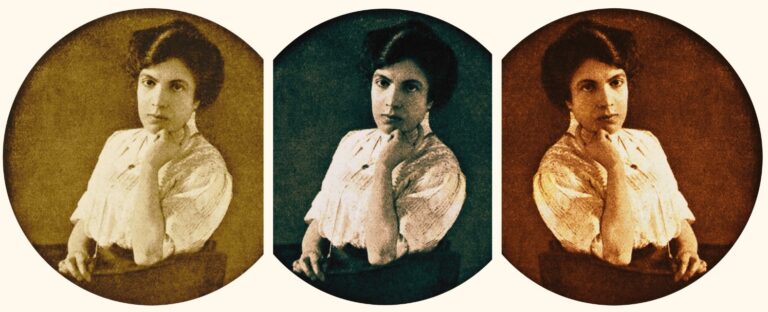
“Cross the sea,” a young Grazia Deledda wrote in a poem to Americans in 1893, “and tell everyone that the island of Sardinia is still waiting to be discovered and known.” On the 100th anniversary of her Nobel Prize for Literature, the powerful legacy
📌 Key Highlights & Takeaways
- “Cross the sea,” a young Grazia Deledda wrote in a poem to Americans in 1893, “and tell everyone that the island of Sardinia is still waiting to be discovered and known.” On the 100th anniversary of her Nobel Prize for Literature, the powerful legacy
“Cross the sea,” a young Grazia Deledda wrote in a poem to Americans in 1893, “and tell everyone that the island of Sardinia is still waiting to be discovered and known.”
On the 100th anniversary of her Nobel Prize for Literature, the powerful legacy of Deledda, like a literary apparition, is now waiting for American and the English-reading world to rediscover her works.
Hailed in the American newspapers in 1902 as the “George Sand of Sardinia”—though, George Sand never won the Nobel—Deledda’s role in Sardinian literature occupied its own realm. “Why should anyone feel doubtful about the future of fiction,” the American reviewer noted, “when young authors are rising every day, to show us the world as it appears.”
That world appeared very differently to the young woman writer in Sardinia around the turn of the 20th century. After elementary school, with the assistance of a tutor, she had published stories as a teen, much to the chagrin of her family, who saw such work as a scandalous activity for a young woman. Deledda never looked back.
Hailed in the American newspapers in 1902 as the “George Sand of Sardinia”—though, George Sand never won the Nobel—Deledda’s role in Sardinian literature occupied its own realm.
Her first novel, Fior di Sardegna (Flowers of Sardinia), appeared in 1892, at the age of twenty-one. “In the ‘stranger’s room’ of the Porru house a woman sat crying,” began Deledda’s novel, After the Divorce , questioning that “secret” in Sardinian life for women, five hundred years after Eleonora d’Arborea reigned as the de facto leader of the island. It was one of the first novels to deal with the theme of divorce, published in 1902.
She went on to write more than sixty works of fiction, nonfiction, and poetry.
In 1926, Deledda became the second woman in the world to win a Nobel laureate in literature for her “idealistically inspired writings which with plastic clarity picture the life on her native island and with depth and sympathy deal with human problems in general,” according to the Nobel committee.
Editorial Text & Content Analyzer
Analyze real-time word count, reading speed, and text density metrics on the fly.
Source: Literary Hub.
Read the full story at the original source ↗
For questions: mrsmithcons@gmail.com.
Immerse Yourself in Compelling Investigative Stories, Modern Poetry & Free Classical eBooks
A sanctuary for lovers of the written word: literary essays, long-form journalism, poetry chronicles, author craft breakdowns, and free public domain libraries.
Read Free Stories ➔📖 Full Essay Manuscript & Author Commentary
Complete uncut narrative text, historical footnotes, and reading guides.
⚡ Read Full Manuscript ➔More from SkyFree Chronicles



 ✈️ SkyFree Club
7 types of purchases you should make with your Capital One Venture Rewards card
The Capital One Venture Rewards earns at least 2 miles per dollar on eligible purchases. Here are seven types ...
 💎 LuxeLiving 768
Warum das Fahren dieses Bugatti Veyron besser war, als wir es uns hätten vorstellen können
Während wir den Veyron 16.4 Grand Sport Vitesse der Marke pilotierten, wurde schnell klar, dass das Auto auch ...
 ⚡ SkyFree Athletics
Breitere Passformen, weiche Dämpfung: Die besten Nike-Schuhe nicht nur für Profiläufer
Der Swoosh ist für Innovation bekannt (Vaporfly 4 %, irgendjemand?). Hier ist unsere Liste der besten Nike-Sch...
 🌿 SkyFree Living
Jersey Jim Lookout: A $50 Night in a 55-Foot San Juan Fire Tower
Jersey Jim Lookout is a live-in San Juan National Forest fire tower near Mancos, Colorado — almost 10,000 feet...