10 Classic Novels Every Aspiring Writer Should Read First
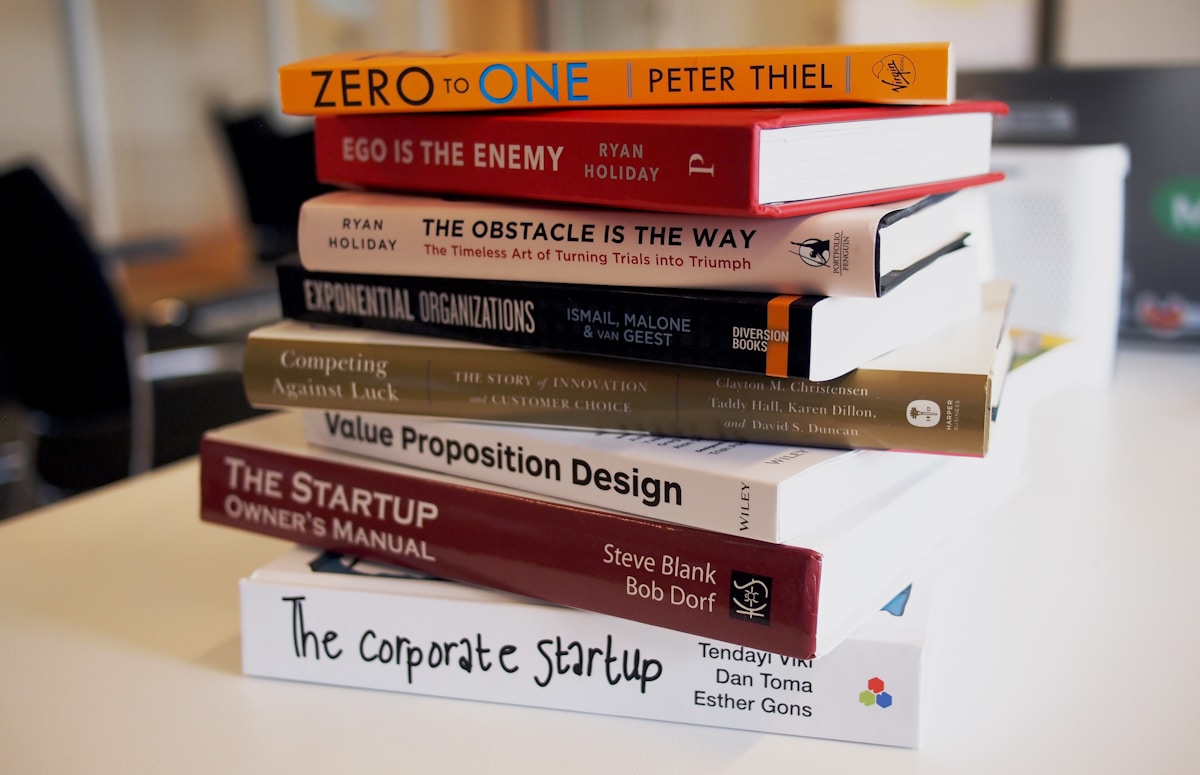
- Primary Signal: 10 Classic Novels Every Aspiring Writer Should Read First
- Overview: The best writing education is reading great novels closely. These ten classics teach voice, structure, character, and style better than any course....
- Verification: Analyzed and compiled by SkyFree Chronicles editorial monitoring desk.
Aspiring writers are often told to read widely, but nobody tells them which books teach the most. The ten classics below are not just great novels; each one is a masterclass in a specific craft skill, from voice to structure to character. Read them slowly, with a pencil, asking how the author achieves each effect, and your own writing will improve faster than any course could manage.
Start with Jane Austen's Pride and Prejudice for voice and free indirect style, the technique of sliding between narration and a character's thoughts without quotation marks. Austen's irony and social observation remain unmatched, and her dialogue teaches economy: every exchange reveals status, desire, and misunderstanding at once. Then read Gustave Flaubert's Madame Bovary for precision; Flaubert famously laboured over single sentences, and his novel shows how exact detail creates realism without ever feeling laboured.
For structure, read Emily Bronte's Wuthering Heights, with its nested narrators and non-linear timeline, and Gabriel Garcia Marquez's One Hundred Years of Solitude, which compresses generations into a single flowing history. Both novels prove that structure is not a cage but a tool: Bronte's unreliable narrators create mystery, while Marquez's circular time makes a family's fate feel inevitable. Studying how they organise time will free your own plotting from the tyranny of simple chronology.
For character, read Fyodor Dostoevsky's Crime and Punishment, where a murderer's conscience is dramatised as an inner argument that never resolves neatly, and Toni Morrison's Beloved, where the past is a character as present as any living person. Both novels show that great characters are contradictions held together by pressure, not consistent traits listed in a profile. Notice how both authors let characters surprise you while remaining recognisably themselves.
For style and sentence craft, read Virginia Woolf's Mrs Dalloway, which follows a single day through a stream of consciousness that moves between minds with fluid grace, and James Joyce's Dubliners, whose short stories end on epiphanies, small moments of sudden understanding, rather than dramatic climaxes. Woolf teaches rhythm and interiority; Joyce teaches the power of the quiet ending. Finally, read Chinua Achebe's Things Fall Apart for perspective, a novel that retells a familiar colonial story from the inside, proving that point of view is a moral choice as much as a technical one.
Read one of these per month, and after each, write a page about what it taught you. Imitate a passage deliberately, then write something of your own using the same technique. This is how writers have always learned: not by rules, but by apprenticeship to great books. The classics endure because they still teach, and a writer who studies them closely will never run out of lessons.
After these ten, expand by following your taste. If Austen's irony delighted you, try George Eliot's Middlemarch for social breadth. If Marquez's magical realism intrigued you, try Isabel Allende's The House of the Spirits. If Dostoevsky's psychological depth gripped you, try Ralph Ellison's Invisible Man. Each great novel leads to another, and building a personal canon, books you return to and argue with, is more valuable than completing someone else's list. The goal is not coverage but conversation with the tradition.
Writers have long kept commonplace books: notebooks of striking passages copied by hand, with notes on why they work. Copying a paragraph of Woolf or Morrison by hand forces you to notice sentence rhythm, word choice, and structure in a way that reading alone does not. Over months, your commonplace book becomes a personal craft manual, full of techniques you admired enough to preserve. When your own writing stalls, open it and borrow a technique deliberately; imitation is the oldest form of writing education.
📖 Continue Reading the Full Story
Continue reading this article on SkyFree Chronicles.
⚡ Access Full Content NowMore from SkyFree Chronicles



 🛍️ Caylin Shop
Viral Tech Stocking Stuffers 2026: Small Gadgets With Big Everyday Use
The best tech stocking stuffers are small, affordable, and used daily. Trackers, charging gear, smart plugs, a...
 💎 LuxeLiving 768
Crypto APY Calculator UK: Staking Rewards Guide for 2026
UK crypto investors: calculate staking rewards with APY vs APR explained, tax notes for HMRC, and the best sta...
✈️ SkyFree Club
Mobile & Cloud Optimization: Playback Speed Calculator — Video Time at Any Speed (Day 16 Guide)
Testing responsive workflows with the Playback Speed Calculator — Video Time at Any Speed on SkyFree Club. Dis...
 ⚡ SkyFree Athletics
Performance Benchmark: Playback Speed Calculator — Video Time at Any Speed (Day 7 Guide)
Understanding real-world data from the Playback Speed Calculator — Video Time at Any Speed on SkyFree Athletic...