How to Build a Daily Writing Habit in Just 20 Minutes
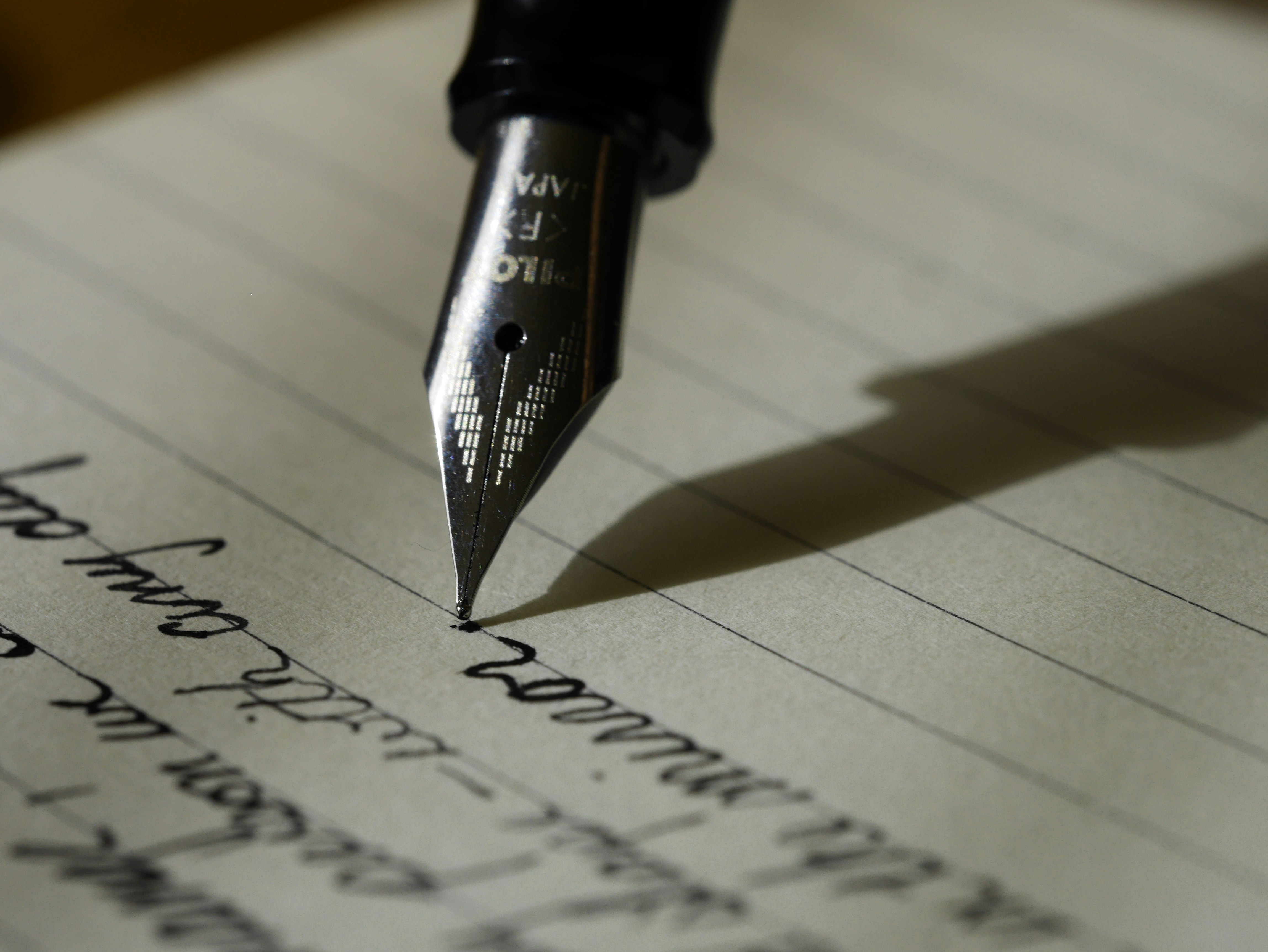
- Primary Signal: How to Build a Daily Writing Habit in Just 20 Minutes
- Overview: How to build a daily writing habit in just 20 minutes: pick a fixed slot, lower the bar to time instead of word count, remove starting friction, and use the never-miss-twice rule....
- Verification: Analyzed and compiled by SkyFree Chronicles editorial monitoring desk.
Most writing advice tells you to write every day, and most writers fail at it because they imagine daily writing means two uninterrupted hours. Twenty minutes is the honest version of the habit: short enough to fit before work, after dinner, or during a lunch break, and long enough to make real progress. A writer who writes twenty minutes a day produces roughly 300 words a day — over 100,000 words a year, which is a novel. Small and daily beats big and occasional, every time.
The first step is picking a slot and treating it as fixed. Choose the same time and the same place every day, and attach the habit to something you already do: write right after your morning coffee, or right after you put the kids to bed. This is habit stacking, and it works because you do not have to decide when to write — the cue decides for you. Tell the people around you that this slot is yours; a habit that everyone interrupts is not a habit.
Second, lower the bar on purpose. Your daily goal is twenty minutes, not a word count, and not good writing. On a bad day, you are allowed to write badly, to write notes instead of prose, or to rewrite yesterday's paragraph. The rule is only that you sit down and write for twenty minutes. This matters because perfectionism is the number-one habit killer: the day you skip because you cannot write well becomes the week you skip because you feel guilty.
Third, remove friction. Keep your writing file open or your notebook on the desk, so starting takes seconds, not a setup ritual. Use a simple timer — phone timers work fine — and stop when it rings, even mid-sentence; stopping mid-sentence makes tomorrow easier, because you already know what comes next. Some writers keep a one-line log of what they wrote each day, which turns an invisible habit into visible progress and makes a thirty-day streak feel worth protecting.
Finally, plan for failure. You will miss days: illness, travel, life. The rule that saves habits is never miss twice — one missed day is an accident, two is the start of a new habit of not writing. If you miss, do not try to make up the time; just show up for your normal twenty minutes the next day. After a month of this, most writers find the habit no longer needs willpower. Twenty minutes becomes the part of the day they look forward to, not the part they dread.
The tools you choose for your twenty minutes matter less than the habit itself, but the right tool removes friction and the wrong one adds it. Analog tools — a notebook and a pen — have real advantages: no notifications, no battery, no temptation to check the internet, and a physical record of your progress that feels satisfying to accumulate. Many writers find handwriting slows them down in a useful way, forcing them to think before they write. Digital tools win on speed, searchability, and backup: a simple document or a distraction-free app lets you write faster, find old passages instantly, and never lose work to a spilled coffee. The trap is tool-collecting: downloading five writing apps, customising templates, and researching the perfect system instead of writing. Pick one tool, set it up in ten minutes, and do not change it for a month. If you keep reaching for your phone mid-session, try analog for a week. If handwriting cramps slow you to a crawl, go digital. The best tool is the one that gets you to the desk tomorrow, not the one with the most features.
📖 Continue Reading the Full Story
Continue reading this article on SkyFree Chronicles.
⚡ Access Full Content NowMore from SkyFree Chronicles

 ⚡ SkyFree Athletics
Why Am I Not Losing Weight Despite Exercising Daily? 7 Hidden Reasons
Training every day but the scale won't move? Hidden calorie compensation, metabolic adaptation, sleep, and str...
🌿 SkyFree Living
How to Build a Rocket Mass Heater for an Off-Grid Home
A step-by-step guide to building a rocket mass heater: the J-tube combustion core, insulated heat riser, barre...
 💎 LuxeLiving 768
Luxury Home Office Ideas for Executives in 2026
A luxury home office is about focus, comfort and presence on video calls. Design ideas for lighting, furniture...
 ✈️ SkyFree Club
What Is an AI Receptionist for Travel Agencies? A 2026 Guide
How AI voice receptionists give travel agencies 24/7 booking lines — answering trip inquiries, quoting package...