
How to Write a Query Letter That Gets Manuscript Requests
A query letter is a 300-word sales pitch: premise, stakes, and credentials, nothing more. Here is how to write one agents actually answer.
105 stories published in November 2026
A query letter is a 300-word sales pitch: premise, stakes, and credentials, nothing more. Here is how to write one agents actually answer.

Writer's block is usually fear, fatigue, or a story problem in disguise. Identify which one you have, and the fix becomes obvious.
Self-publishing gives you control and speed; traditional publishing gives you distribution and a team. The right choice depends on your goals.
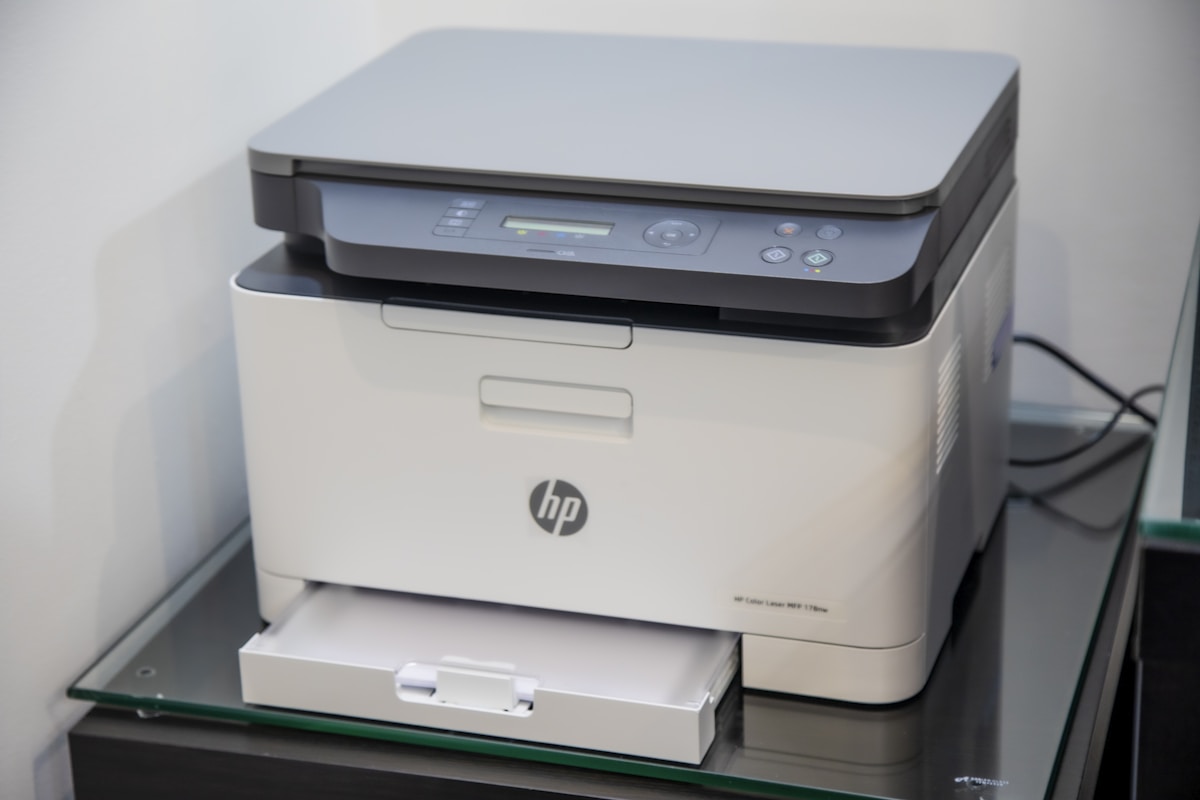
A home inkjet page costs about 8.6 cents in ink and paper in the worked example here, while a home laser page costs about 4.4 cents. The cartridge price alone does not tell you the cost.
A nonfiction book sells on its proposal, not its manuscript. Learn what agents look for in the overview, audience, competitive titles, and platform sections.

Twist endings reveal; resonant endings deepen. Learn how each one works, how to choose the right one for your story, and how to test whether your ending is doing real work.

Two timelines can double a novel's power or halve its tension. Learn how to connect them through one question, keep readers oriented, and make both timelines earn their chapters.
A sagging middle means the story stopped generating new problems. Learn how midpoint shifts, escalation, and ruthless cutting restore momentum to the hardest third of a novel.
Memoirists writing about family face a collision between truth and loyalty. Learn how to handle memory honestly, approach consent, manage legal risk, and write hard scenes with care.

A literary magazine cover letter should be short, professional, and invisible. Learn what editors want, what to leave out, and how to handle simultaneous submissions.

A book blurb is not a synopsis; it is a teaser that sets up character, disruption, and stakes, then stops. Learn the structure that makes readers sample your book.

Free indirect style blends a character's thoughts into third-person narration without tags or italics. Learn how it works, when to use it, and how to practice it.

Great villains are not the most evil characters; they are the most real ones. Learn how motivation, competence, and human contradiction turn an obstacle into a character readers dread.
A great collection reads like a whole book because its stories are ordered with intent. Learn how opening and closing stories, flow, and section breaks create an arc from separate pieces.
A query letter is one page, 250 to 350 words, and its only job is to make an agent read your pages. This guide gives you the structure, a template mindset, and the mistakes that earn an instant no.
A memoir opening should be a scene, not a summary. Learn how to choose a moment that echoes through the whole book, use sensory detail, and handle reconstructed dialogue with honesty.
Realistic dialogue is not a transcript of how people talk; it is speech distilled to its most revealing lines. These seven techniques will make every character sound like a different person.
Show, don't tell is the most repeated and least understood writing rule. These before-and-after examples show exactly when to show, when telling is fine, and how to practice the balance.

A synopsis must tell the whole story, ending included, on a single page. This formula shows you what agents look for, how to structure it, and the mistakes that sink an otherwise good manuscript.
A character name signals era, culture, and personality before the reader learns anything else. This guide covers how to choose names that fit your world, stay distinct from each other, and survive a hundred mentions.

Magical realism treats the impossible as ordinary, and that quiet acceptance is its whole power. Learn what separates it from fantasy, how the greats use it, and how to write it without explaining the magic away.

A one-day short story is the best cure for perfectionism. This hour-by-hour plan takes you from a single idea in the morning to a complete 2,000-word draft by evening.
Writer's block is usually a planning gap, perfectionism, or exhaustion, not a lack of talent. Learn to diagnose which one you have and apply the fix that actually works for it.
An unreliable narrator can make a book unforgettable or make readers feel cheated. Learn the rules that keep the twist fair, how to plant clues, and why every unreliable narrator needs a reason.