How to Arrange a Short Story Collection So It Reads Like a Whole Book
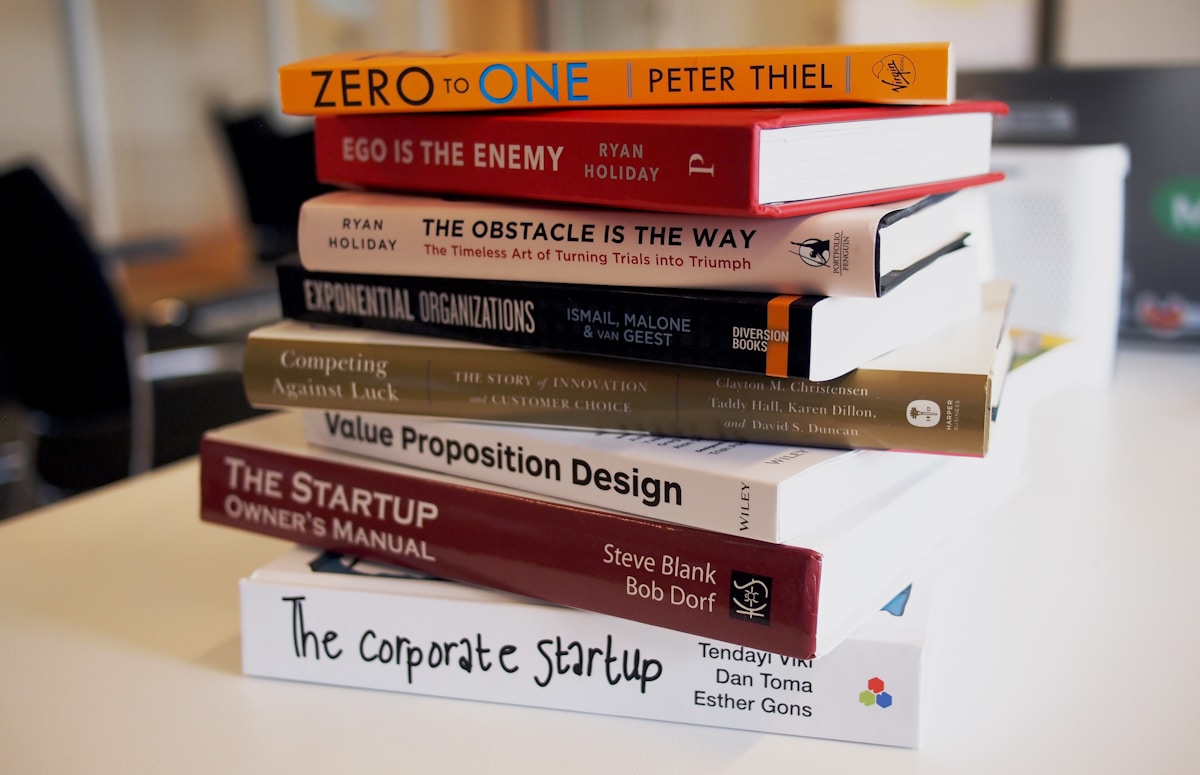
- Primary Signal: How to Arrange a Short Story Collection So It Reads Like a Whole Book
- Overview: A great collection reads like a whole book because its stories are ordered with intent. Learn how opening and closing stories, flow, and section breaks create an arc from separate ...
- Verification: Analyzed and compiled by SkyFree Chronicles editorial monitoring desk.
A short story collection is not just a pile of stories with a cover. The best collections read like a whole book, with an arc that emerges from the arrangement even when the stories share no characters or plot. That arc is created by ordering, and ordering is a craft decision most writers neglect until it is too late.
Readers experience a collection in sequence, and sequence creates meaning. A story about leaving home hits differently when it follows a story about staying, and a funny story after three dark ones feels like relief rather than a tonal mistake. The order you choose tells the reader how to feel about each story.
Start by reading all your stories as a reader, not as their author, and note each one's emotional temperature, theme, and ending. Group them loosely by theme or mood, then look for a progression: from innocence to experience, from isolation to connection, from question to answer. The collection's arc usually hides in that progression.
The opening story carries special weight. It should represent the collection's range and voice while being strong enough to hook a reader who has never read you before. Many writers open with their most accomplished story, but a better rule is to open with the story that most clearly announces what the collection is about.
The closing story matters equally. It should feel like an ending, not just the last story left over. A closing story that echoes the opening story's theme, image, or question gives the collection a sense of completion, even if the individual stories are unrelated. Circular echoes are the collection's version of a novel's final chapter.
Between the opening and closing, arrange for flow rather than chronology. Alternate longer and shorter stories, heavier and lighter tones, and different settings or voices, so the reader never gets fatigued by sameness. Two similar stories back to back blur together; the same two stories separated by a contrasting piece each stand out.
Titles and section breaks are tools, not decorations. Grouping stories into two or three unnamed or lightly titled sections can give a shapeless collection a skeleton. A section break tells the reader that something has shifted, and that shift itself becomes part of the reading experience.
Test the order by reading the collection straight through, in order, without stopping to revise. Note where your attention dips, where you feel a jolt, and where a story feels out of place. Those reactions are data, and they are more reliable than any theory about arrangement.
Ask a trusted reader to read the collection in your chosen order and then in a different order, and compare their reactions. Often the second order reveals something the first hid: a theme that emerges only when two stories sit together, or a story that works better as a palate cleanser than as a centerpiece.
Be willing to cut a story that does not fit, even if it is good. A collection is judged as a whole, and one off-theme story can dilute the arc that the other stories build. Save the cut story for another collection or a magazine submission, where it can shine on its own terms.
Finally, write a brief note or ordering rationale for yourself, even if it never appears in the book. Knowing why the stories sit in this order helps you defend the arrangement to an editor and helps you revise it when feedback suggests changes. A collection with a reason for its order reads like a book. One without reads like a folder.
If you are unsure whether your order works, try the shuffle test: deal the stories in a random order and read the first three. If the collection still feels coherent, your stories may be too similar to each other, and the order is doing less work than it should. A strong arrangement creates meaning that a random order cannot, and that created meaning is what turns a folder of stories into a book.
📖 Continue Reading the Full Story
Continue reading this article on SkyFree Chronicles.
⚡ Access Full Content NowMore from SkyFree Chronicles



 ⚡ SkyFree Athletics
Risk Management Playbook: GST Calculator — Add or Extract GST & VAT (Day 22 Guide)
Minimizing downside volatility with the GST Calculator — Add or Extract GST & VAT on SkyFree Athletics. Discov...
 🌿 SkyFree Living
Practical Playbook: Playback Speed Calculator — Video Time at Any Speed (Day 9 Guide)
Solving critical challenges with the Playback Speed Calculator — Video Time at Any Speed on SkyFree Living. Di...
 💎 LuxeLiving 768
Crypto APY Calculator UK: Staking Rewards Guide for 2026
UK crypto investors: calculate staking rewards with APY vs APR explained, tax notes for HMRC, and the best sta...
✈️ SkyFree Club
Mobile & Cloud Optimization: Playback Speed Calculator — Video Time at Any Speed (Day 16 Guide)
Testing responsive workflows with the Playback Speed Calculator — Video Time at Any Speed on SkyFree Club. Dis...