How to Revise a First Draft Without Rewriting Everything
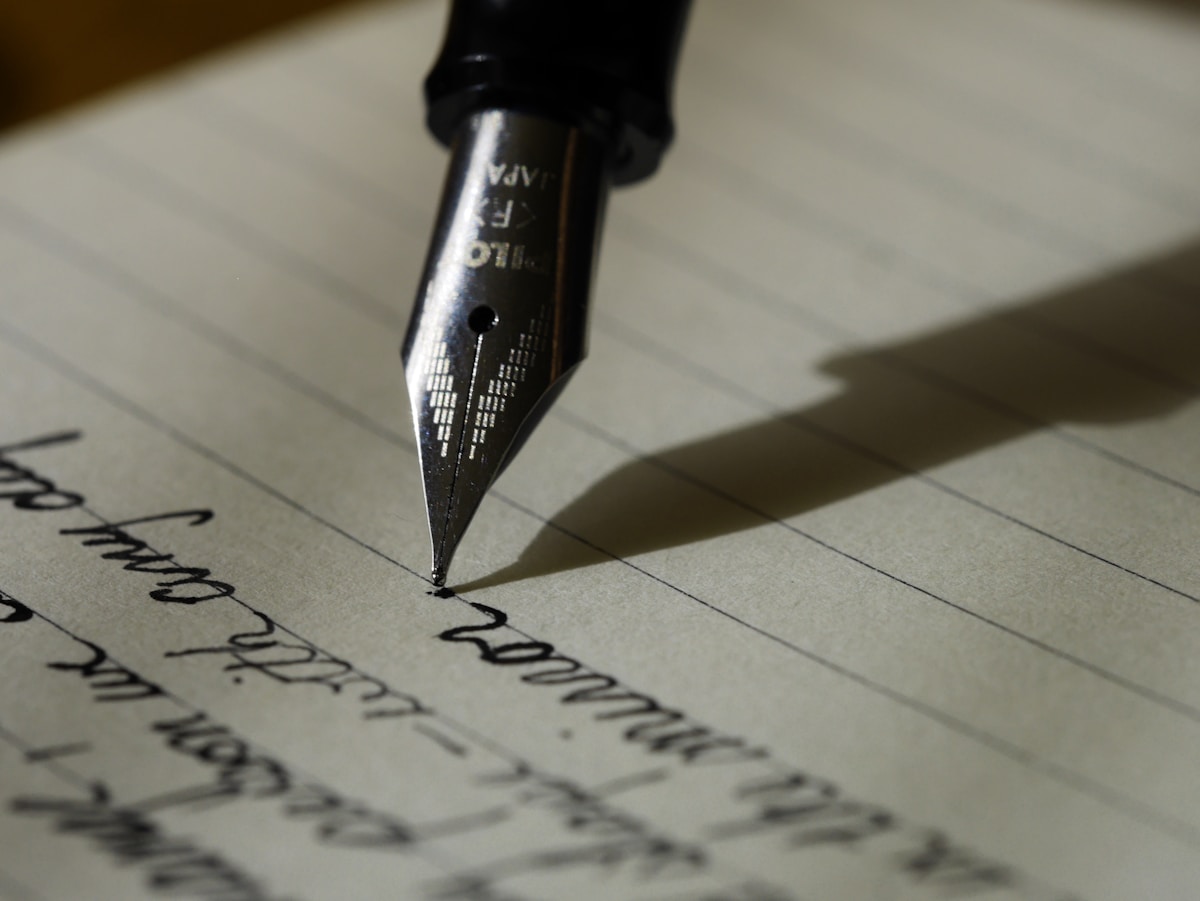
- Primary Signal: How to Revise a First Draft Without Rewriting Everything
- Overview: Revision feels overwhelming when you try to fix everything at once. This guide breaks it into passes: structure, scenes, sentences, and a final read-aloud check....
- Verification: Analyzed and compiled by SkyFree Chronicles editorial monitoring desk.
Most writers dread revision because they treat it as a single task: make the draft good. That is too vague to act on, so the work stalls or turns into a full rewrite that loses what was already working. A better approach is to revise in passes, each with one job. One pass fixes structure, another fixes scenes, another fixes sentences. By separating the jobs, you stop trying to polish a paragraph that might be cut entirely, and you stop restructuring a chapter while worrying about commas. The draft improves in layers, and each layer is small enough to finish.
Before touching any sentence, check the shape of the piece. Read only the opening and closing of each section and ask whether the order makes sense. Does the opening raise the right question? Does each section earn the next one? Mark sections to move, cut, or combine, and make those moves before anything else. Revising sentences inside a section that will be deleted is wasted effort, and it is the most common reason revision feels endless. A structural pass often removes a fifth of a draft, which makes every later pass faster.
Next, work through the scenes that remain and ask what each one is for. A scene should either advance the story, reveal character, or change the reader's understanding. If it does none of these, it is a candidate for cutting or merging with another scene. For scenes that stay, check that they open with tension and end with a change, however small. Add concrete detail where a scene feels thin, and cut summary where a scene is retelling something the reader already knows. Work scene by scene so you can finish one and move on.
Only now should you work at sentence level. Read the draft aloud or have it read back to you, and mark every sentence you stumble over. Cut filler phrases, repeated words, and throat-clearing openings such as there is or it is important to note. Replace vague verbs with specific ones, and break long sentences that try to do three jobs into shorter ones that do one job well. Aim to cut about ten percent of the words in this pass. Most drafts improve simply by becoming shorter, because the good sentences no longer have to compete with weak ones.
Finish with a clean read from start to end, without editing as you go. Note anything that confuses you, bores you, or feels inconsistent, then fix only those notes. This pass catches the problems earlier passes created, such as a reference to a cut scene or a character whose name changed halfway through. Resist the urge to start a fifth pass immediately. A draft is ready when further changes swap one good choice for another rather than fixing a real problem. Put it aside for a day, then do one last check for errors before calling it done.
Revision sprawls when every pass tries to do every job. Protect the pass system by writing the job of the current pass at the top of your notes and refusing other fixes until that pass is done. If you notice a sentence problem during a structural pass, mark it with a single symbol and move on. You will reach it in the sentence pass, and by then the sentence may have been cut anyway. This discipline feels slow at first, but it is what makes revision finishable.
Also set a limit on passes. Four passes are enough for most pieces, and a fifth pass should only happen after a break of at least a day. Endless revision is often a form of avoidance, a way to keep a piece private rather than risk sending it out. A useful finishing question is whether your next change would make the piece better for a reader or merely different for you. If it is merely different, the revision is done, and the piece is ready for its next reader.
📖 Continue Reading the Full Story
Continue reading this article on SkyFree Chronicles.
⚡ Access Full Content NowMore from SkyFree Chronicles


 💎 LuxeLiving 768
Supercar Track Day Beginner Guide: Your First Day on Circuit, Step by Step
A track day is the best way to learn what your supercar can really do. This beginner guide covers preparation,...
 ⚡ SkyFree Athletics
How to Start Working Out at Home Without Equipment for Beginners
A complete beginner's guide to building your first no-equipment home workout routine — the right movements, a ...
🌿 SkyFree Living
The Cheapest Way to Heat Water Off-Grid Without Electricity
Five budget ways to get hot water without any electrical power: black-pipe solar batch heaters, compost heat, ...
 📦 Free2Rich Vault
How to Price Your First Freelance Project Without Undercharging
A practical pricing walkthrough for new freelancers: calculating your floor rate, choosing between hourly and ...