Reading More Books: A Practical Habit System
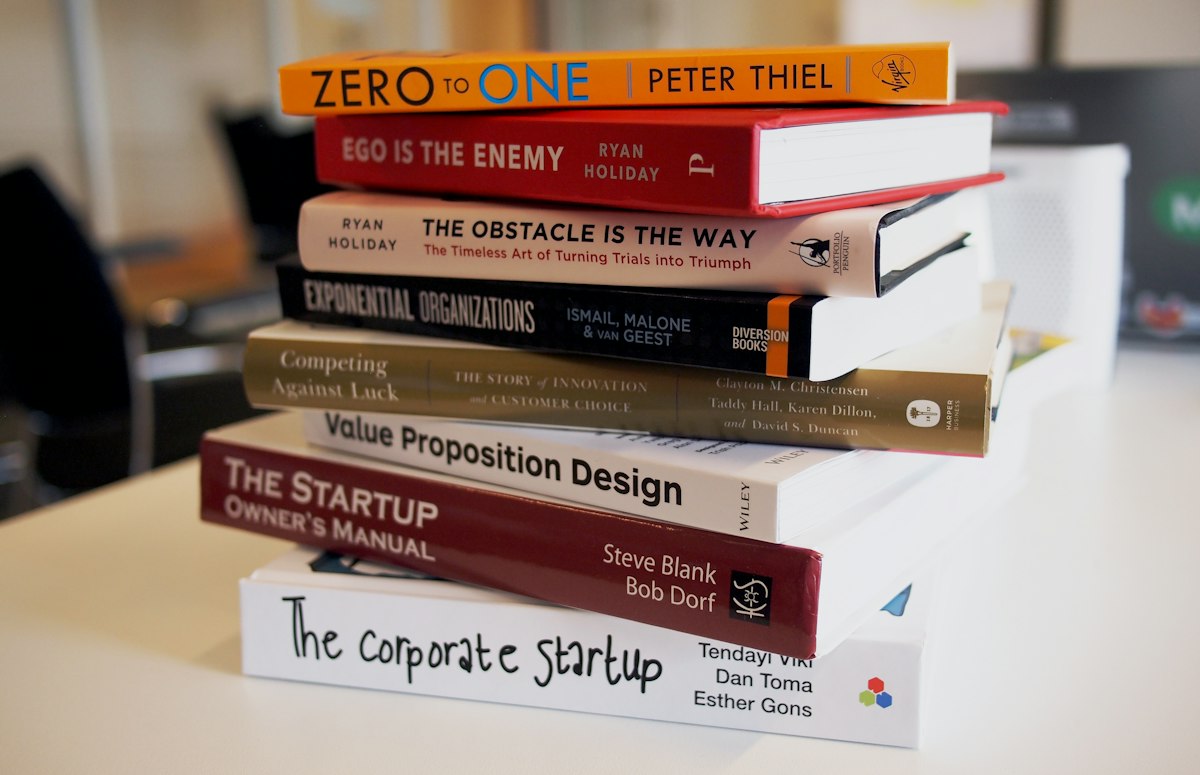
- Primary Signal: Reading More Books: A Practical Habit System
- Overview: Wanting to read more is not enough — you need a system. Build reading into dead time, protect one daily anchor slot, and stop finishing books you hate....
- Verification: Analyzed and compiled by SkyFree Chronicles editorial monitoring desk.
Almost everyone wants to read more books. Almost everyone also has a phone, a job, a family, and a thousand small demands that eat the day before reading gets a look in. The problem is rarely a lack of love for books; it is a lack of system. Willpower alone fails because it competes with every other demand on your attention. A practical habit system makes reading the easy default rather than a daily negotiation.
The first shift is to stop thinking in terms of books per year and start thinking in terms of minutes per day. A goal of fifty books a year sounds impressive and collapses by February; a goal of twenty minutes a day is small enough to survive a bad week and large enough to finish twenty or more books a year, depending on length. Small daily inputs compound quietly, whether you feel motivated or not.
The most reliable reading slots are the ones already waiting in your schedule. The commute, the lunch break, the twenty minutes before sleep, the queue at the clinic — these are dead times that a book can fill without displacing anything you value. Keep a book or an e-reader within arm's reach in each of these places, so that reading requires no decision and no trip to the shelf.
Protect one anchor slot fiercely, ideally the last twenty minutes before bed. Reading before sleep has a double benefit: it replaces screen time that disrupts sleep, and it gives your brain a calm, absorbing activity to wind down with. Many readers find that a bedtime slot alone doubles their yearly total.
The second shift is to abandon books you do not enjoy. There is no prize for finishing a book you hate, and forcing yourself through one is the fastest way to stop reading altogether. Give every book fifty pages, and if it has not earned your attention by then, set it aside without guilt. Keep a short list of books you genuinely want to read next, track pages or minutes rather than just finished books, and start with twenty minutes tonight.
A few supporting tools make the system easier to maintain. A simple reading journal, even a single line per book noting what you liked, turns finished books into a personal record you can revisit when choosing the next one. Library cards are underrated: borrowing removes the cost barrier, due dates create gentle deadlines, and librarians are excellent at matching readers with books. Audiobooks count as reading for most people's purposes, and they convert commutes, chores, and exercise into reading time, though they suit some books better than others; dense nonfiction often works better on the page, where you can pause and reread. If you read with others, even informally, a shared book or a short message about a striking passage adds accountability without pressure. Do not let tracking become the point: the goal is the reading itself, and a system that takes more time to maintain than the reading it supports has it backwards. Keep the system light, the book close, and the daily slot sacred, and the pages will take care of themselves.
📖 Continue Reading the Full Story
Continue reading this article on SkyFree Chronicles.
⚡ Access Full Content NowMore from SkyFree Chronicles



 🌿 SkyFree Living
Practical Playbook: Days Between Dates Calculator — Count Days & Weeks (Day 9 Guide)
Solving critical challenges with the Days Between Dates Calculator — Count Days & Weeks on SkyFree Living. Dis...
 🎒 SkyFree Outfitters
Cold Weather Camping Sleep System Guide
Staying warm on a freezing night is a system, not a single purchase: bag, pad, and camp habits working togethe...
 🛍️ Caylin Shop
How to Avoid Impulse Buying Viral Products: A Practical Guide
Viral products are designed to make you buy now and think later. Learn the tactics sellers use, and the simple...
 💎 LuxeLiving 768
The Best Luxury Travel Destinations for 2026, Ranked by Experience
Luxury travel in 2026 is about privacy, authenticity, and unforgettable moments, not just five-star lobbies. T...