Self-Publishing vs Traditional Publishing: An Honest Comparison for New Authors
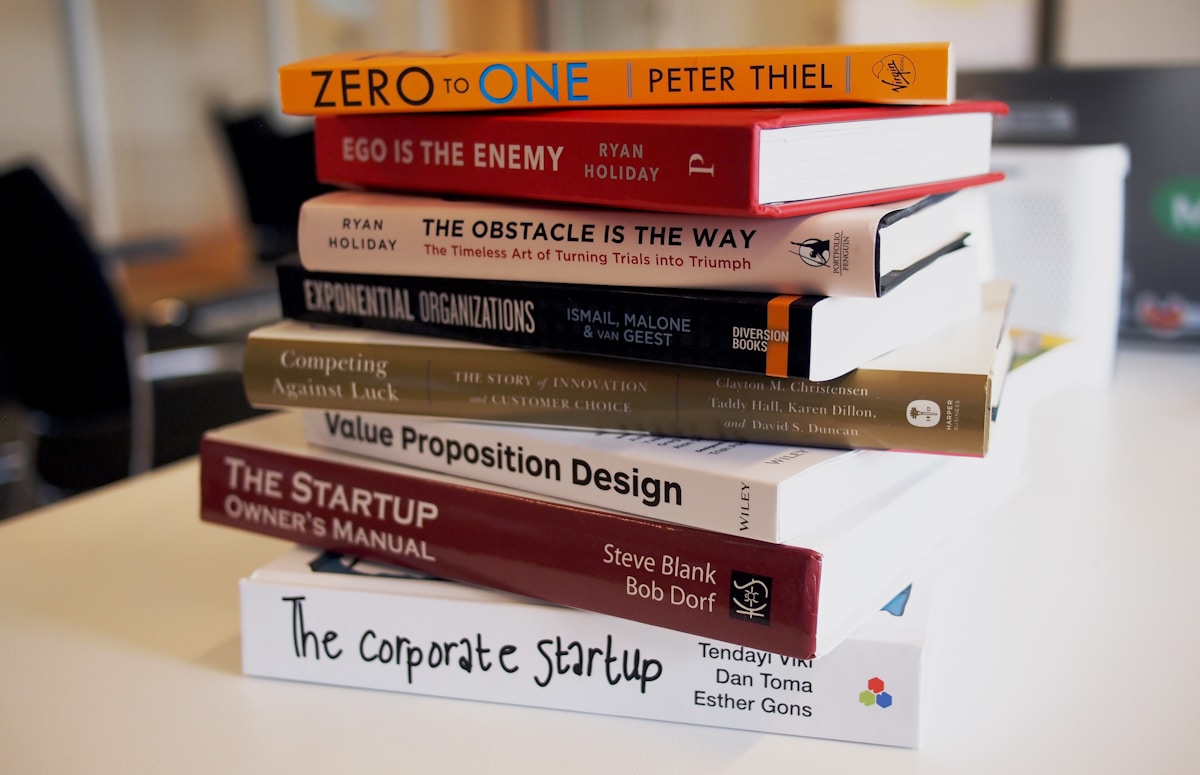
- Primary Signal: Self-Publishing vs Traditional Publishing: An Honest Comparison for New Authors
- Overview: Self-publishing gives you control and speed; traditional publishing gives you distribution and a team. The right choice depends on your goals....
- Verification: Analyzed and compiled by SkyFree Chronicles editorial monitoring desk.
New authors face a real choice between self-publishing and traditional publishing, and the honest answer is that neither path is better in general; each suits different goals, books, and temperaments. Self-publishing offers control, speed, and higher royalties per copy, while traditional publishing offers professional teams, bookstore distribution, and advances. Understanding the trade-offs clearly will save you from choosing based on myths from either side.
Traditional publishing starts with finding an agent, who submits your manuscript to editors at publishing houses. If accepted, you receive an advance against royalties, typically paid in instalments, and a team handles editing, cover design, distribution to bookstores, and some marketing. The advantages are real: bookstores stock traditionally published books far more readily, libraries and review outlets take them more seriously, and you benefit from professionals whose job is making books succeed. The disadvantages are also real: the process takes eighteen months to two years from acceptance to shelf, you lose most creative control, and royalties are lower, typically ten to fifteen percent.
Self-publishing, through platforms like Amazon Kindle Direct Publishing, IngramSpark, and Draft2Digital, lets you publish in weeks, set your own price, keep seventy percent royalties on ebooks, and control your cover, title, and content. The trade-off is that you become your own publisher: you must hire or learn editing, cover design, and formatting, and you are responsible for all marketing. Most self-published books sell few copies, not because they are bad, but because discoverability is brutally competitive and marketing is a full-time skill of its own.
Money expectations need honesty on both sides. Traditional advances for debut authors are often modest, commonly five to twenty thousand dollars, and most books do not earn out, meaning the author never sees royalties beyond the advance. Self-published authors keep more per sale but sell fewer copies on average, and must subtract editing, cover, and advertising costs from their earnings. In both paths, the authors who earn a living usually have multiple books and a long-term view, not a single breakout title.
So how do you choose? Choose traditional publishing if you want bookstore distribution, value a professional team, write literary fiction or children's books where gatekeepers matter most, and can tolerate a slow timeline. Choose self-publishing if you write fast in a commercial genre like romance, thriller, or cozy mystery, enjoy marketing, want control, and can publish several books a year. Some authors do both, traditionally publishing one series and self-publishing another, which is increasingly common and entirely legitimate.
Whichever path you choose, the fundamentals do not change: write the best book you can, revise it thoroughly, get professional editing, and invest in a cover that signals your genre clearly. Publishing is a business as well as an art, and authors who treat it as both, learning the market while protecting their craft, are the ones who build lasting careers in either model.
Between the two big paths sit small presses and hybrid models worth knowing about. Small presses often accept unagented submissions, offer professional editing and distribution on a smaller scale, and pay little or no advance, but they give your book a team without the long traditional timeline. Hybrid publishers charge authors for services while offering distribution, but this space attracts scams, so verify any hybrid publisher's sales record and talk to their authors before paying anything. A reputable small press can be an excellent middle path, especially for literary or niche work.
One myth to retire is that traditional publishing handles all marketing. In reality, most traditionally published authors, especially debuts, do much of their own promotion: social media, newsletters, events, and outreach to readers. The difference is that traditional authors get a head start from distribution and review access, while self-published authors start from zero and build everything themselves. Either way, start building an audience before your book launches: a mailing list of even a few hundred engaged readers matters more than a large but indifferent social following.
📖 Continue Reading the Full Story
Continue reading this article on SkyFree Chronicles.
⚡ Access Full Content NowMore from SkyFree Chronicles



 🛍️ Caylin Shop
Acupressure Foot Massage Mats: A Buying Guide
An acupressure foot mat uses hundreds of small spikes to refresh tired feet. Learn about spike intensity, size...
 💎 LuxeLiving 768
Crypto APY Calculator Australia: 2026 Staking Rewards Guide
Australian crypto investors: estimate your staking rewards with a crypto APY calculator. Compare APY vs APR, c...
 ☁️ FreeSky Cloud
Best Free Tier Cloud Hosting for Side Projects in 2026: An Honest Comparison
Free tiers hide three different things: always-free, free-but-asleep, and free-as-a-trial. This comparison mat...
✈️ SkyFree Club
Mobile & Cloud Optimization: Playback Speed Calculator — Video Time at Any Speed (Day 16 Guide)
Testing responsive workflows with the Playback Speed Calculator — Video Time at Any Speed on SkyFree Club. Dis...