First-Chapter Hooks That Make Readers Keep Reading
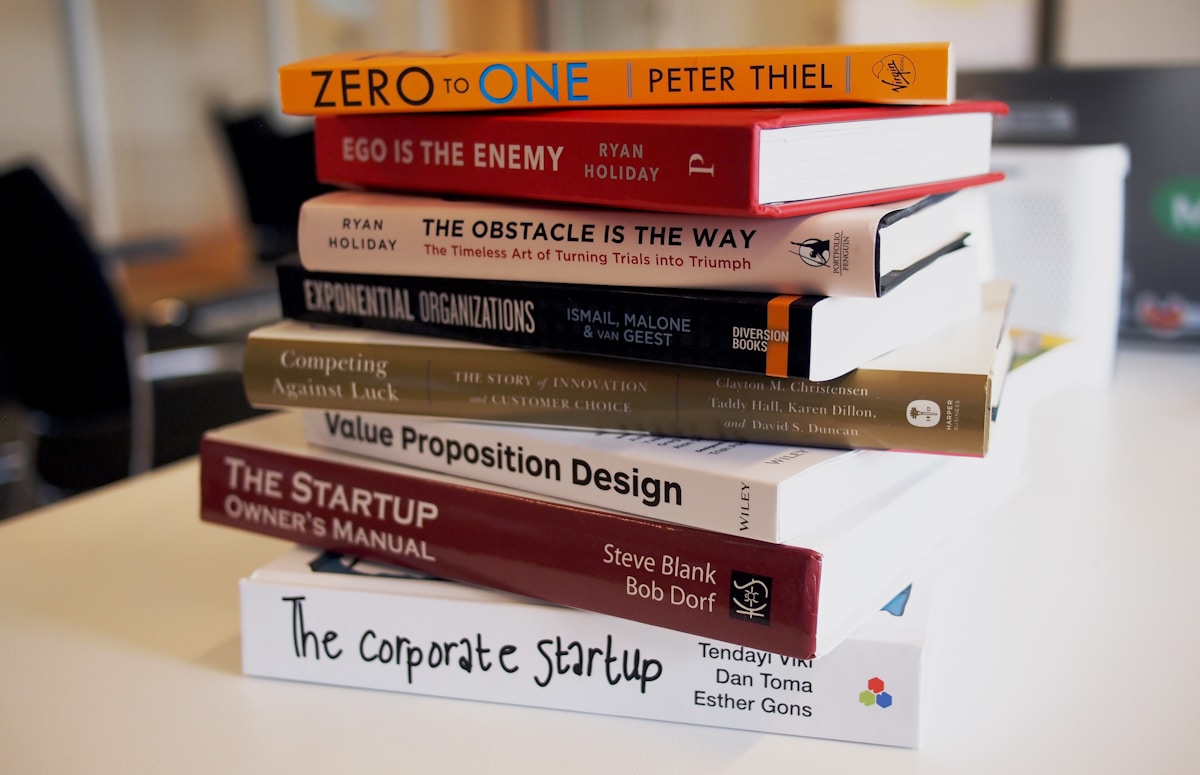
- Primary Signal: First-Chapter Hooks That Make Readers Keep Reading
- Overview: A strong first chapter needs a character in motion, a clear question, and forward momentum, not a worldbuilding lecture. These techniques help you hook readers without cheap tricks...
- Verification: Analyzed and compiled by SkyFree Chronicles editorial monitoring desk.
Your first chapter has one job above all others: make the reader turn to chapter two. That does not mean it needs an explosion, a murder, or a shocking twist on page one, it needs a character the reader cares about, a situation with stakes, and a question the reader wants answered. Many first chapters fail because they spend pages explaining the world, the history, or the magic system before anything happens, while the reader is still deciding whether to keep reading. Start with a person in a moment that matters, and let the world reveal itself through that person's actions and problems.
Open with your character doing something that reveals who they are, not thinking about who they are for three pages. A thief deciding whether to take a job, a teacher facing a classroom on the first day after a loss, or a nurse hiding a mistake all tell us more than a paragraph of description. Give the character a small, immediate goal within the first few pages, even if the larger story goal is still hidden, because a character pursuing something is inherently more interesting than a character waiting for the plot to arrive. Add one complication early, such as an interruption, a wrong number, or an unexpected visitor, so the scene has tension from the start.
Plant a question the reader cannot easily put down. The best first-chapter questions are specific and character-driven: why is she packing a bag at midnight, why does he keep the letter unopened, or what is in the locked drawer she refuses to open. Avoid planting a question by withholding basic information the viewpoint character would naturally know, because that feels manipulative rather than intriguing. Instead, let the reader know slightly less than the character, or let the character discover something alongside the reader, so curiosity feels earned. A single strong question beats five vague mysteries, which usually just confuse.
Avoid the traps that stall most openings. Do not start with a character waking up, looking in a mirror, and describing themselves, unless you have a fresh reason that changes the scene completely. Do not front-load worldbuilding, history lessons, or long backstory, because readers will learn the world faster through a character navigating it than through a lecture about it. Do not introduce ten named characters in the first five pages, because readers cannot hold them all, and do not promise a tone the rest of the book will not deliver, such as a comic opening for a serious novel. Your first chapter is a contract, and breaking it loses trust.
End the first chapter with forward motion, not necessarily a cliffhanger, but a clear reason to continue. That could be a decision made, a door opened, a secret revealed, or a plan that immediately goes wrong. The reader should finish the chapter thinking, what happens next, rather than, that was a nice introduction. Read your opening aloud and check the pacing: if you can cut the first two pages without losing anything essential, cut them, because many strong openings are hiding on page three. Test the chapter on a reader who knows nothing about the book and ask them one question: what do you want to know next. If they have no answer, the hook needs work.
Strong hooks are not tricks, they are promises kept. Promise an interesting character, a situation with stakes, and a question worth following, then deliver on that promise in chapter two by deepening the character and complicating the situation. Practice by rewriting the opening of a story you abandoned, starting in the middle of a scene instead of at the beginning of the backstory. You will often find the hook was there all along, buried under explanation, waiting for you to trust the reader to catch up.
📖 Continue Reading the Full Story
Continue reading this article on SkyFree Chronicles.
⚡ Access Full Content NowMore from SkyFree Chronicles


 💎 LuxeLiving 768
Supercar Track Day Beginner Guide: Your First Day on Circuit, Step by Step
A track day is the best way to learn what your supercar can really do. This beginner guide covers preparation,...
 🌿 SkyFree Living
How to Keep Off-Grid Cabin Pipes from Freezing in Winter
Practical winterizing steps for off-grid cabins: routing pipes through heated space, insulation limits, heat t...
🎒 SkyFree Outfitters
How to Keep Your Sleeping Pad From Sliding on the Tent Floor
Waking up off your pad and halfway across the tent is miserable — here are proven fixes to keep your sleeping ...
 ✈️ SkyFree Club
What Is an AI Receptionist for Travel Agencies? A 2026 Guide
How AI voice receptionists give travel agencies 24/7 booking lines — answering trip inquiries, quoting package...