Reading poetry aloud reveals rhythm, sound, and meaning that silent reading can miss. This beginner's guide shows how to breathe, pace, and listen your way into a poem.

Archive: 2026
307 stories published in 2026
A literary magazine rejection stings, but it is also information. Learn how to read the response, revise wisely, and send the work out again with a stronger plan.
An author bio must do different jobs in a query letter and on a back cover. Learn how to write both versions from the same honest facts, without padding or invention.
Flash fiction packs a complete story into under 1,000 words. Learn how to choose one moment, cut ruthlessly, and land an ending that lingers.
Real-sounding dialogue is not transcribed speech; it is speech edited for conflict, subtext, and rhythm. These nine techniques show how.
Showing means giving readers evidence they can feel: a trembling hand instead of 'she was nervous.' These examples make the difference concrete.
Your first chapter must promise the story, introduce a character readers care about, and end with a reason to turn the page.
Memoir begins with a single vivid memory, not a whole life story. These 25 prompts help you find the moments worth writing about.
A daily reading habit needs a small, fixed anchor, not willpower. Attach reading to an existing routine and start with ten minutes.
The best writing education is reading great novels closely. These ten classics teach voice, structure, character, and style better than any course.
A query letter is a 300-word sales pitch: premise, stakes, and credentials, nothing more. Here is how to write one agents actually answer.
Writer's block is usually fear, fatigue, or a story problem in disguise. Identify which one you have, and the fix becomes obvious.
Self-publishing gives you control and speed; traditional publishing gives you distribution and a team. The right choice depends on your goals.
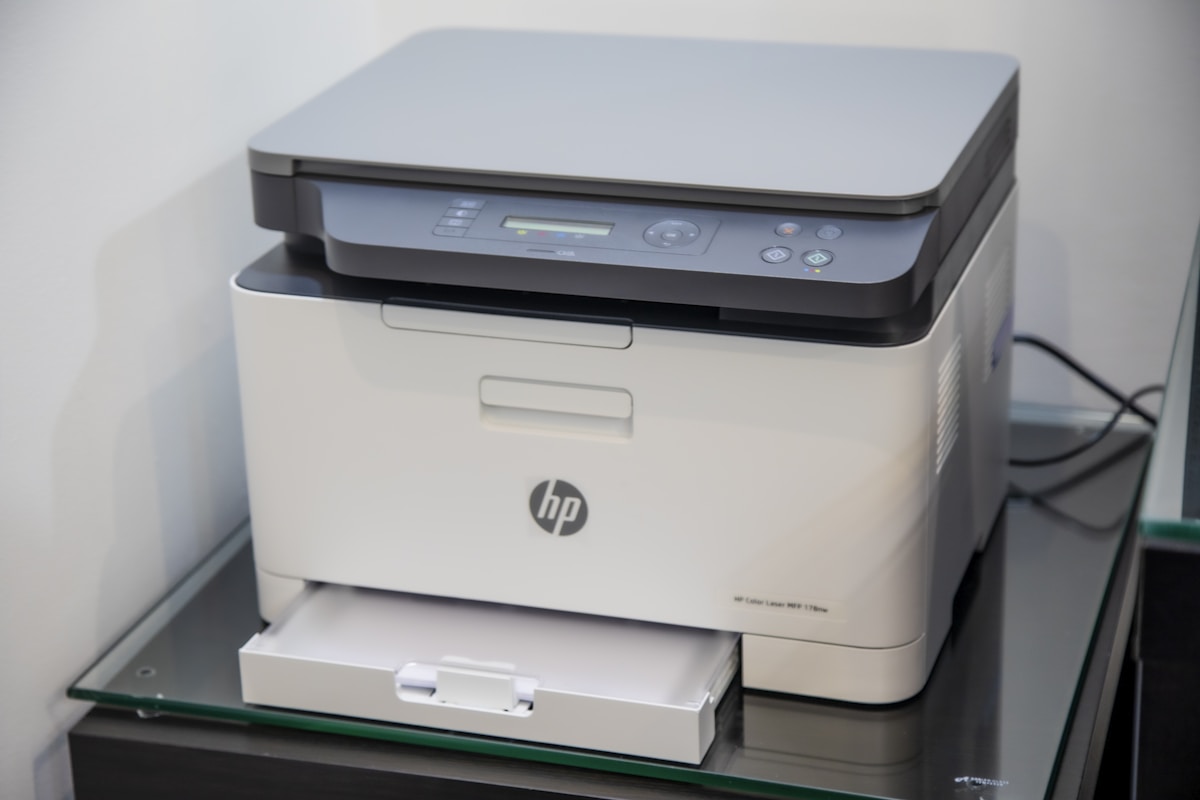
A home inkjet page costs about 8.6 cents in ink and paper in the worked example here, while a home laser page costs about 4.4 cents. The cartridge price alone does not tell you the cost.
A nonfiction book sells on its proposal, not its manuscript. Learn what agents look for in the overview, audience, competitive titles, and platform sections.
Twist endings reveal; resonant endings deepen. Learn how each one works, how to choose the right one for your story, and how to test whether your ending is doing real work.
Two timelines can double a novel's power or halve its tension. Learn how to connect them through one question, keep readers oriented, and make both timelines earn their chapters.
A sagging middle means the story stopped generating new problems. Learn how midpoint shifts, escalation, and ruthless cutting restore momentum to the hardest third of a novel.
Memoirists writing about family face a collision between truth and loyalty. Learn how to handle memory honestly, approach consent, manage legal risk, and write hard scenes with care.
A literary magazine cover letter should be short, professional, and invisible. Learn what editors want, what to leave out, and how to handle simultaneous submissions.
A book blurb is not a synopsis; it is a teaser that sets up character, disruption, and stakes, then stops. Learn the structure that makes readers sample your book.
Free indirect style blends a character's thoughts into third-person narration without tags or italics. Learn how it works, when to use it, and how to practice it.
Great villains are not the most evil characters; they are the most real ones. Learn how motivation, competence, and human contradiction turn an obstacle into a character readers dread.
A great collection reads like a whole book because its stories are ordered with intent. Learn how opening and closing stories, flow, and section breaks create an arc from separate pieces.