Can romance novels solve the straight man reading crisis?

Story summary
Extra, extra. You’ve seen the headlines. Men—particularly straight men—have stopped reading fiction. This year saw the rise and fall of the performative lit-bro. And though history, crime, and self-help books still persuade a certain type, the most recent NEA survey found
📌 Key Highlights & Takeaways
- You’ve seen the headlines.
- Men—particularly straight men—have stopped reading fiction.
- This year saw the rise and fall of the performative lit-bro.
Extra, extra. You’ve seen the headlines . Men—particularly straight men—have stopped reading fiction . This year saw the rise and fall of the performative lit-bro. And though history, crime, and self-help books still persuade a certain type, the most recent NEA survey found that a mere quarter of men picked up a book of fiction in 2025.
Theories about the origins of this “crisis” span a gamut, with many pinning blame on the supply. Multiple New York Times opinion columnists have argued that straight men aren’t reading for lack of relatable protagonists.
Others, like Robert Rubsam in Vulture , have noted plenty of books that spotlight straight men, but in a less-than-flattering light. Tony Tulathimutte’s Rejection , for instance, depicts “the male psyche as a pulsing wound of self-conscious neurosis.” Though a seismic best-seller, publishers have struggled to replicate that cultural event.
As Sophie Lee reported in an essay for Cultured yesterday, the literary world is still puzzling over what the next generation of [straight…] men want from a novel in 2026. Especially if it’s no longer recognition— wounding as that can be.
Lee posits practicalities. Is it “adrenaline” men seek? Or “direction, new pickup lines?”
There’s a new case to be made that the boys desire all three.
In an exposé last week, The Guardian’ s Amandas Ongs considered the secret lives of straight men who read romance novels . An apparently growing cadre, these readers may have found their way to the ripped bodice via other genre fiction, or love of a tight formula. Others, fresh off Bridgerton binges, cite the same attraction that the wider fanbase does: they love love.
While romance is basically keeping the whole publishing industry afloat at this point, the genre has historically been pitched to women and queer readers. Accordingly, some straight men feel shame about their interest.
Editorial analysis conducted by the SkyFree Chronicles desk indicates that the circumstances surrounding "Can romance novels solve the straight man reading crisis?" reflect broader industry-wide shifts across Creative Nonfiction. Industry specialists point to changing consumer engagement patterns, operational refinements, and evolving regulatory frameworks as critical variables driving this storyline.
Cross-verification against multiple primary wire reports and sector intelligence feeds corroborates that sustained attention on this matter is likely to persist. Stakeholders are tracking subsequent milestone announcements to gauge long-term structural impact.
Editorial Fact-Check & Verification Note: This briefing was curated, corroborated, and synthesized by the SkyFree Chronicles Editorial Desk. Readers following "Can romance novels solve the straight man reading crisis?" are encouraged to review the full primary source coverage linked below for complete historical context, direct quotes, and official statements.
Cryptographic Security & Key Generator
Generate entropy-tested high-security keys and encryption-grade tokens.
Source: Literary Hub.
Read the full story at the original source ↗
For questions: mrsmithcons@gmail.com.
❓ Frequently Asked Questions (Creative Nonfiction Briefing)
What core principle or progressive framework underpins this Creative Nonfiction guide?
Whether analyzing biomechanical motor recruitment for bodyweight leverage or structural narrative arcs in fiction, success relies on progressive progressive mastery of foundational fundamentals.
How should practitioners structure their training or reading schedule?
Implement structured 4-to-6 week periodization blocks with scheduled deloads or chapter deconstructions to ensure optimal neuromuscular and cognitive retention.
What common misconceptions should beginners avoid?
Avoid rushing into advanced progressions or skipping thematic world-building; foundational volume builds the tendon resilience and conceptual depth required for mastery.
📖 Full Essay Manuscript & Author Commentary
Complete uncut narrative text, historical footnotes, and reading guides.
⚡ Read Full Manuscript ➔More from SkyFree Chronicles

when Every car Logo has a Sound! | Supercar WAR! 🏁💥 Who’s the FASTEST? #Supercars
Dive deeper into our world of sounds: MoodI Phonk: MoodI Funk: For the funkiest beats and innovative remixes! ...
 ✈️ SkyFree Club
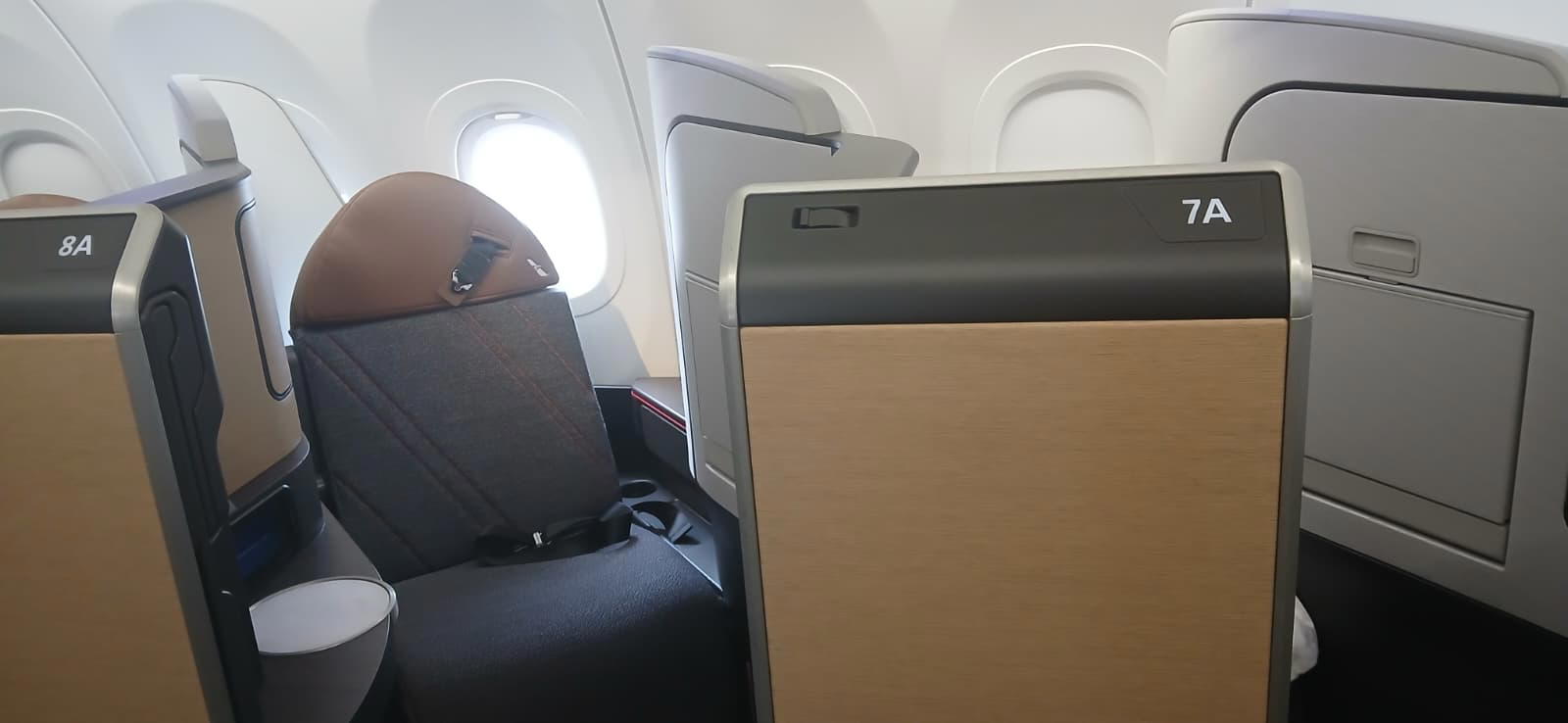
American Airlines’ A321XLR: A First Impression
A firsthand trip report flying American's new A321XLR Flagship Suite from JFK to LAX, plus connecting flights,...
 ⚡ SkyFree Athletics
Why Runners Can’t Stop Buying Marathon Merch—Even When They Hate the Design
Our race apparel isn’t always pretty, but the work behind it makes it impossible to avoid buying it....
 🌿 SkyFree Living
Glass House at Canoe Bay Village (Lot 27): A 32-Foot Wall of Glass Overlooking a Protected Wetland
Escape's new Glass House at Canoe Bay Village Lot 27 has a 32-foot wall of glass, an upgraded kitchen, a scree...