How to Edit Your First Draft Without Deleting Everything
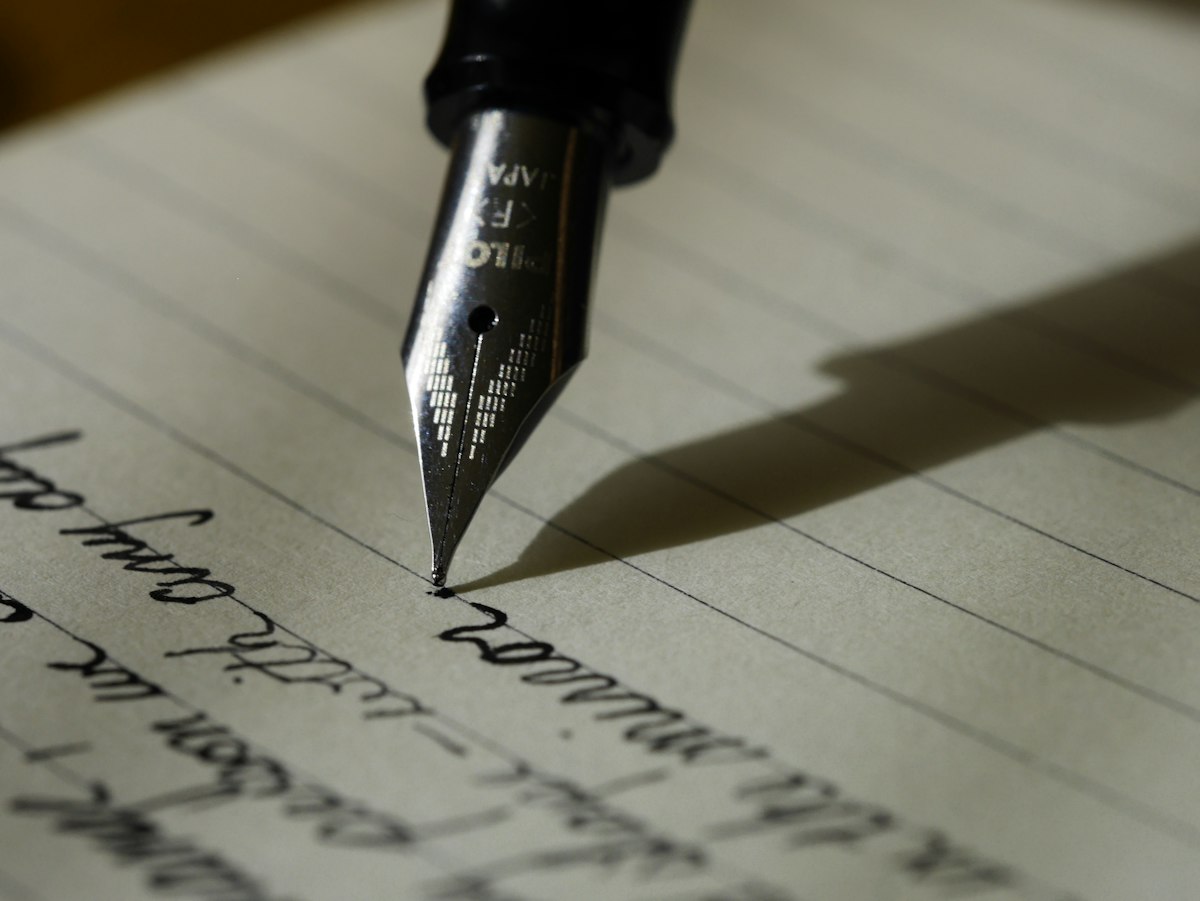
- Primary Signal: How to Edit Your First Draft Without Deleting Everything
- Overview: Editing feels like destroying your draft — but it is actually how a draft becomes a story. A three-pass system, a saved original, and a scraps file let you revise boldly without fe...
- Verification: Analyzed and compiled by SkyFree Chronicles editorial monitoring desk.
For many writers, the first draft is a private victory and the first edit feels like vandalism. You spent hours coaxing those sentences into existence, and now you are supposed to cut them? The fear is understandable, but it rests on a misunderstanding. Editing is not deleting your work; it is revealing the work underneath it. A first draft is raw material, not a finished product.
The most important editing decision happens before you change a single word: put the draft away. A day is the minimum, a week is better, and a month is ideal for longer pieces. Distance turns you from the author, who remembers what you meant, into a reader, who sees only what is actually on the page.
Work in passes, from large to small, and never do all three at once. Pass one is structural: does the piece open well, does the middle sag, does the ending earn its place? Move scenes, cut whole sections that serve no purpose, and add missing transitions. Save a copy of the original draft first, so that cutting feels safe rather than final.
Pass two is the sentence level: clarity, rhythm, and voice. Read the piece aloud, which exposes awkward phrasing that silent reading misses. Cut filler words, replace vague language with specific detail, and vary sentence length so the prose breathes. Pass three is the polish: spelling, punctuation, consistency of names and details, and formatting.
A few habits keep editing from becoming self-destruction. Edit with a question, not a verdict: instead of this is terrible, ask what is this paragraph trying to do, and does it do it? Keep a scraps file for cut material, set a limit of two or three passes, and get outside eyes before the final pass. The draft was never the destination — it was the clay, and editing is how you shape it.
Certain first-draft problems appear so often that they deserve a checklist of their own. Watch for filter words that distance the reader, such as she felt, he saw, and she realised, which can often be cut so the experience lands directly. Watch for passive constructions that hide who is acting, for throat-clearing openings that delay the real start, and for repeated words that reveal themselves only when you read aloud. A useful trick is to search your document for your personal crutch words, the ones you overuse without noticing, and cut half of them; the prose tightens immediately. Another is to read the draft backwards, paragraph by paragraph, which breaks the flow and lets you judge each section on its own merits. Keep a list of your recurring issues and check each new draft against it; over time the list shrinks, because you start catching the problems while drafting rather than only in revision. Editing is a skill like any other, and it improves with deliberate practice.
📖 Continue Reading the Full Story
Continue reading this article on SkyFree Chronicles.
⚡ Access Full Content NowMore from SkyFree Chronicles



 💎 LuxeLiving 768
Supercar Track Day Beginner Guide: Your First Day on Circuit, Step by Step
A track day is the best way to learn what your supercar can really do. This beginner guide covers preparation,...
 ✈️ SkyFree Club
Best No-Annual-Fee Travel Credit Cards for Beginners in 2026
A practical guide to best no annual fee travel credit cards beginners: what works, what to avoid, and a step-b...
 ⚡ SkyFree Athletics
Deep-Dive Audit: Typing Speed Test — WPM & Accuracy Test Online (Day 4 Guide)
Mastering performance metrics with the Typing Speed Test — WPM & Accuracy Test Online on SkyFree Athletics. Di...
 🌿 SkyFree Living
Strategic Blueprint: Typing Speed Test — WPM & Accuracy Test Online (Day 6 Guide)
Unlocking high-yield efficiency through Typing Speed Test — WPM & Accuracy Test Online on SkyFree Living. Disc...