How to Outline a Novel in a Weekend: A Step-by-Step Plan

- Primary Signal: How to Outline a Novel in a Weekend: A Step-by-Step Plan
- Overview: How to outline a novel in a weekend: a Saturday-to-Monday plan covering premise, ending, story beats, characters, and a chapter list you can actually draft from....
- Verification: Analyzed and compiled by SkyFree Chronicles editorial monitoring desk.
Most writers either skip outlining entirely and stall at chapter five, or spend months perfecting an outline they never use. Outlining a novel in a weekend sits between those extremes: it gives you a working map of the whole story without letting planning become procrastination. The goal is not a perfect outline. It is a complete one — a document that answers, for every part of the book, what happens, why it matters, and what changes.
Start Saturday morning with the two decisions everything else depends on: your premise and your ending. Write your premise as one sentence with a character, a goal, and an obstacle: for example, a retired lighthouse keeper must solve her brother's murder before the island's ferry service ends for winter. Then write your ending as one paragraph, including how the character changes. Knowing the ending first sounds backwards, but it is what keeps the middle from wandering — every scene can be judged by whether it moves the story toward that ending.
Saturday afternoon is for structure. Pick a shape — three-act, Save the Cat, or Hero's Journey — and place five anchors on it: the inciting incident, the first turning point, the midpoint reversal, the darkest moment, and the climax. These are the load-bearing walls of your story; everything else hangs off them. Write each anchor as two or three sentences, not a page. If an anchor feels weak, fix it now, while changing it costs minutes instead of chapters.
Sunday morning belongs to characters. For each major character, write four lines: what they want, what they wrongly believe, what they actually need, and how they speak. Then sketch a relationship web: who helps whom, who opposes whom, and what secret connects them. Sunday afternoon is the chapter list: one line per chapter, twenty-five to thirty lines total, each naming the scene's purpose and its change. Leave a few chapters vague on purpose — you need room for discovery while drafting.
On Monday morning, test the outline before you trust it. Read it start to finish and ask three questions: does every chapter either advance the plot or deepen a character (ideally both)? Does the tension rise rather than plateau in the middle? And does the ending feel earned by what came before? If the answer to any question is no, fix that spot now. Then stop planning and start drafting — your weekend outline is a map, and maps are meant to be used, not framed.
Weekend outlining fails in predictable ways, and knowing them saves you from repeating them. The first mistake is over-planning: an outline so detailed that drafting feels like copying, which kills the creative energy that makes a novel readable. If your outline has more words than your first three chapters, you have over-planned — cut it back to the chapter lines and the anchors. The second mistake is outlining plot without character: a sequence of events with no one to care about. Every major beat should name whose choice drives it and what that choice costs them. The third mistake is ignoring stakes: if your protagonist could walk away from the story in chapter three with nothing lost, the outline needs a stronger reason for them to stay. The fourth is treating the outline as sacred: a plan that cannot change when a better idea appears during drafting is a cage, not a map. The best outlines are living documents, revised as the draft reveals what the story actually wants to be. Outline in pencil, draft in ink, and let the story surprise you.
📖 Continue Reading the Full Story
Continue reading this article on SkyFree Chronicles.
⚡ Access Full Content NowMore from SkyFree Chronicles


 💎 LuxeLiving 768
Supercar Track Day Beginner Guide: Your First Day on Circuit, Step by Step
A track day is the best way to learn what your supercar can really do. This beginner guide covers preparation,...
 💎 Try2Rich
How to Buy Off Plan Property in Dubai: A Step-by-Step Guide for Foreign Buyers
Learning how to buy off plan property in Dubai is the first move for many foreign investors, thanks to staged ...
⚡ SkyFree Athletics
Best Beginner Running Plan for Overweight People Starting From Zero
Overweight and want to run? Don't start with running. Walk first, add tiny run intervals, and follow this join...
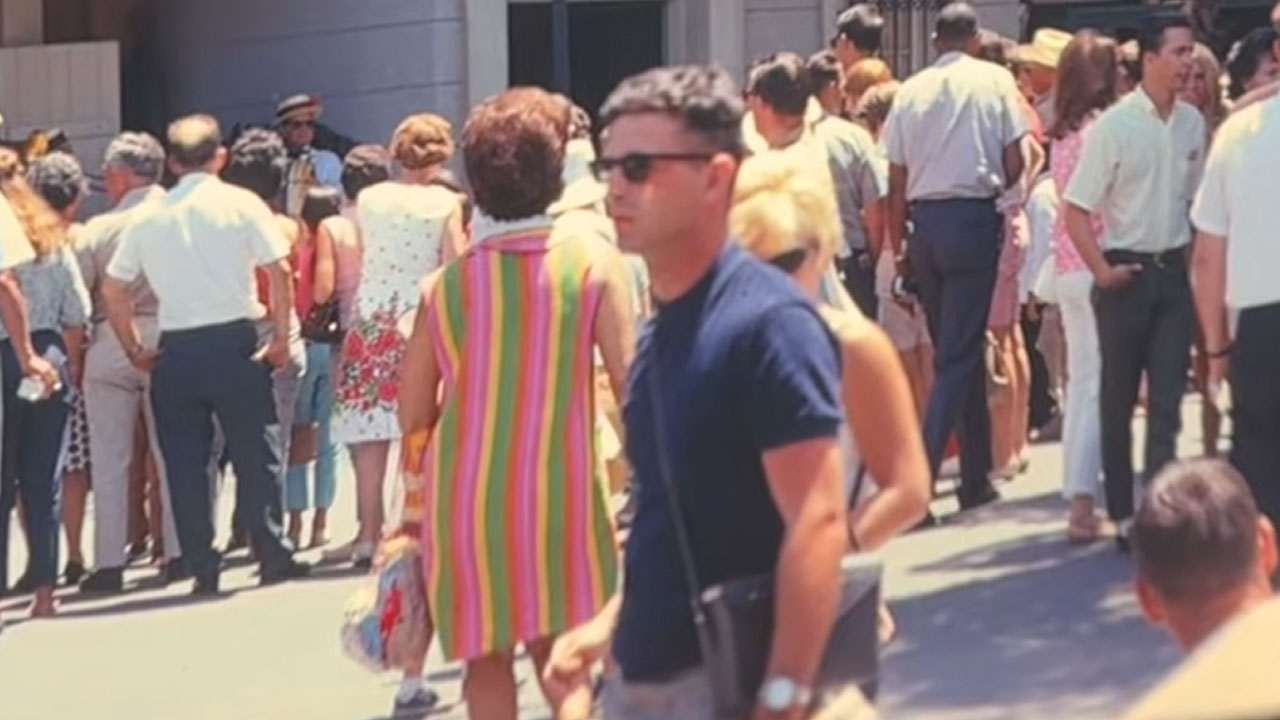 🔥 ViralBuzz 168
Woman Spots A Man In 1960s Disneyland Photo Who Looks Like He Just Stepped In From 2026
Fashion has a way of coming back around, with old trends finding their way into modern wardrobes. One woman no...