How to Write a Short Story in a Day: A Step-by-Step Drafting Plan

- Primary Signal: How to Write a Short Story in a Day: A Step-by-Step Drafting Plan
- Overview: A one-day short story is the best cure for perfectionism. This hour-by-hour plan takes you from a single idea in the morning to a complete 2,000-word draft by evening....
- Verification: Analyzed and compiled by SkyFree Chronicles editorial monitoring desk.
Writing a short story in a single day sounds like a stunt, but it is one of the most useful exercises a writer can do. A deadline forces decisions, kills perfectionism, and teaches you to finish. The goal is not a polished masterpiece. It is a complete draft with a beginning, a middle, and an end.
Start in the morning by choosing one idea and one scene. A short story is not a novel compressed; it is a single moment that changes something. Pick a character, a desire, and an obstacle, and write them down in one sentence. Then choose the scene where the change happens, and start there. If you cannot state the idea in one sentence, the story is too big for a day.
Draft fast in the middle of the day. Aim for 2,000 to 3,000 words and do not stop to research, revise, or second-guess. If you do not know a detail, write a placeholder in brackets and keep going. Write the ending before you lose steam: a short story without an ending is not a story, it is a fragment. If you get stuck in the middle, skip ahead to the final scene and work backward.
In the afternoon, shape the arc. Read the draft once and ask three questions: does the character want something clear, does something block them, and does the ending change them? Cut any paragraph that does not serve one of those three things. Tighten the opening so the story starts as late as possible, and make sure the last line lands rather than trails off.
Finish with one polish pass in the evening. Read the story aloud, fix the sentences that stumble, and check that each character sounds different. Then stop. Do not revise it again tonight. Put it away for a day and read it fresh tomorrow; that is when the real editing begins.
The one-day story works because it separates drafting from editing, which is the single most important skill for any writer. Speed is not the point. Finishing is. Write one short story in a day, and you will learn more about your process than a month of planning ever could.
The day after you finish a one-day story, read it with fresh eyes and a red pen. The first thing to check is the ending: does it land, or does it trail off? Most one-day drafts have weak endings, because the writer was tired when they reached them. Rewrite the last paragraph first. Then check the opening: does the story start as late as possible, or does it warm up for two pages before anything happens? Cut the warm-up. Then check each scene against the three questions from the drafting day, and cut anything that does not serve desire, obstacle, or change.
After that, put the story away for a week before the next pass. Distance is the cheapest editor you will ever have. When you return, read it aloud from start to finish and mark every sentence that stumbles. Fix those, then send the story to one trusted reader, not five, and ask a single question: where did you get bored? Their answer tells you exactly what to cut. A one-day draft is not a finished story, but it is the hardest part of a finished story: a complete arc on the page, ready to be shaped.
A last word of encouragement: the first one-day story you write will probably be rough, and that is fine. The point of the exercise is not to produce a masterpiece but to learn that you can finish a story in a day, which changes how you think about every project after it. Do it once a month for a year and you will have twelve drafts, a faster process, and a much clearer sense of how you write best. Speed is not the goal, but finishing is, and finishing is a skill you can practice.
📖 Continue Reading the Full Story
Continue reading this article on SkyFree Chronicles.
⚡ Access Full Content NowMore from SkyFree Chronicles



 🌿 SkyFree Living
How Much Does It Cost to Build a Tiny House in 2026? A Realistic Budget Breakdown
Tiny homes are cheaper than a mortgage, but not as cheap as the headlines claim. Here is a realistic 2026 budg...
 🎒 SkyFree Outfitters
The 30-Day Mastery Plan: Playback Speed Calculator — Video Time at Any Speed (Day 30 Guide)
Level up your daily workflow with the Playback Speed Calculator — Video Time at Any Speed on SkyFree Outfitter...
 🔥 ViralBuzz 168
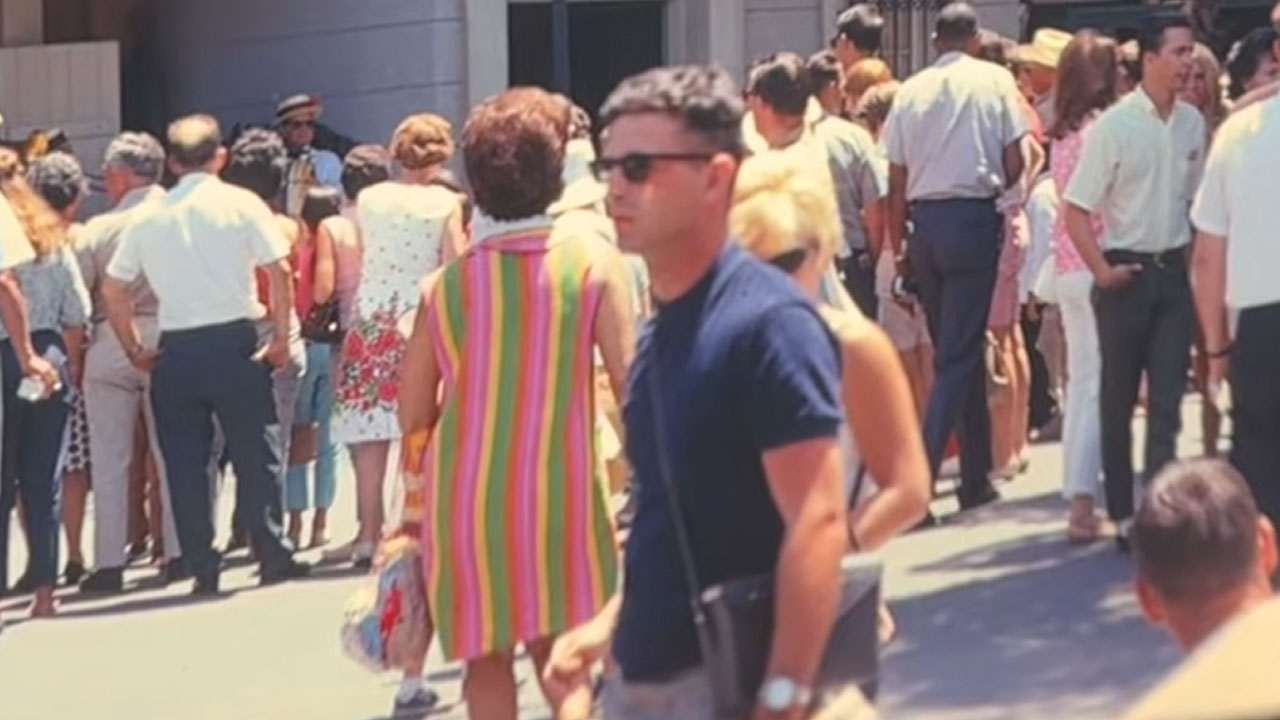
Woman Spots A Man In 1960s Disneyland Photo Who Looks Like He Just Stepped In From 2026
Fashion has a way of coming back around, with old trends finding their way into modern wardrobes. One woman no...
⚡ CyberTech 568
Step-by-Step Tutorial: Playback Speed Calculator — Video Time at Any Speed (Day 2 Guide)
How to accurately use the Playback Speed Calculator — Video Time at Any Speed on CyberTech 568. Discover essen...